Your home is made up of interconnected systems that work together to provide comfort, safety, and functionality. From water supply and electrical controls to climate management and structural integrity, each component plays a critical role in maintaining daily life. When one system begins to fail, the effects can ripple throughout the rest of the property, sometimes leading to extensive disruption. Recognizing early warning signs is essential for preventing small issues from escalating into serious problems that compromise both comfort and structural stability.
Many homeowners overlook subtle indicators such as minor temperature fluctuations, faint water stains, unusual sounds, or small cracks. These signs may seem insignificant at first glance, but they often signal underlying issues that require attention. Early detection allows for proper assessment and timely intervention, protecting the longevity of the home and reducing the likelihood of sudden breakdowns. Developing an awareness of these warning signals empowers homeowners to stay ahead of potential failures.
Monitoring Water Supply Systems
A reliable water source is foundational to any home’s functionality. Subtle changes in water pressure, discoloration, or intermittent supply disruptions can indicate deeper system concerns. For properties relying on private wells, fluctuating pressure or unusual sediment in tap water may signal the need for water well repair. These early signs should never be ignored, as untreated issues can escalate into larger mechanical failures that disrupt the entire household water supply.
Unusual noises coming from well components, such as grinding, clicking, or cycling sounds, may indicate strain within the pump or pressure tank. Inconsistent water flow when multiple fixtures operate simultaneously also suggests that the system is struggling to maintain balance. Monitoring these behaviors allows homeowners to identify stress within the system before complete failure occurs.
Maintaining awareness of changes in water taste, odor, or clarity is equally important. These sensory indicators often precede mechanical breakdowns or contamination issues. By paying close attention to subtle shifts in performance, homeowners can preserve water quality, protect plumbing infrastructure, and ensure uninterrupted access to clean water.
Recognizing HVAC Performance Changes

Heating and cooling systems typically show warning signs before experiencing full breakdowns. Uneven temperatures between rooms, longer run cycles, or reduced airflow may indicate developing concerns within ductwork or individual units. In homes equipped with zoned systems, these irregularities may point toward the need for mini split repairs, particularly if one zone struggles to maintain consistent comfort.
Strange odors during operation, such as burning dust or musty air, can suggest component strain or internal buildup. Increased humidity indoors, despite air conditioning use, also indicates compromised system efficiency. Small performance dips often precede larger mechanical complications, making early evaluation critical. Energy usage patterns can also serve as indicators. If utility consumption rises unexpectedly without a clear explanation, the HVAC system may be compensating for declining efficiency. Observing these trends allows homeowners to address concerns before they evolve into complete system failures.
Evaluating Pump and Pressure Equipment
Private water systems rely heavily on pump performance to deliver consistent pressure. If faucets sputter or water flow fluctuates unexpectedly, there may be mechanical stress within the pump assembly. In such cases, local well pump repair may become necessary to restore stable operation and prevent complete service interruption.
Pressure tanks that cycle too frequently or fail to maintain consistent pressure often signal wear within internal components. Audible clicking from control switches or visible corrosion near connection points are additional warning signs. Ignoring these symptoms can lead to increased strain on surrounding plumbing systems. By identifying irregular pump behavior early, homeowners reduce the risk of sudden water outages. Consistent performance monitoring supports long-term reliability and prevents cascading issues that affect the broader household water supply.
Inspecting Garage Entry Systems

Garage doors are frequently used entry points, making their proper operation essential for safety and convenience. Slow response times, grinding noises, or uneven movement during opening and closing can indicate emerging mechanical concerns. These early symptoms often suggest the need for professional garage door services to address worn components or alignment issues.
Tension springs, cables, and rollers endure significant stress over time. Minor squeaks or jerking motions may appear harmless but often precede larger mechanical failures. Visual inspection of tracks and hinges can reveal early wear that warrants attention. Maintaining smooth operation protects both property security and structural integrity. Addressing small irregularities early helps prevent sudden breakdowns that could compromise safety or disrupt daily routines.
Observing Appliance Performance
Household appliances typically show subtle signs before malfunctioning entirely. Unusual vibrations, inconsistent temperatures, or longer operating cycles often point to internal wear. Recognizing these indicators early allows homeowners to seek appliance repair before permanent damage occurs.
For example, refrigerators struggling to maintain consistent cooling may exhibit condensation buildup or motor strain sounds. Dishwashers leaving residue or washing machines producing irregular noises also signal developing issues. These warning signs should prompt evaluation before efficiency declines further. Regular performance monitoring extends appliance lifespan and prevents unnecessary disruption. Addressing mechanical concerns at the first sign of irregularity supports consistent home functionality.
Homeowners should also evaluate how appliances interact with household utilities. Refrigerators that run continuously may indicate insulation wear or compressor inefficiency. Washing machines that shift during spin cycles can signal leveling issues or internal suspension wear. Ovens producing uneven cooking results may reflect temperature sensor irregularities. Monitoring water usage during appliance cycles helps detect hidden leaks or valve malfunctions. Checking ventilation pathways for dryers prevents overheating and lint buildup hazards. Minor inconsistencies in cycle duration often precede more significant internal component failure. Documenting performance patterns over time makes it easier to detect a gradual decline. Attentive observation extends appliance lifespan and ensures reliable daily functionality.
Detecting Plumbing Irregularities
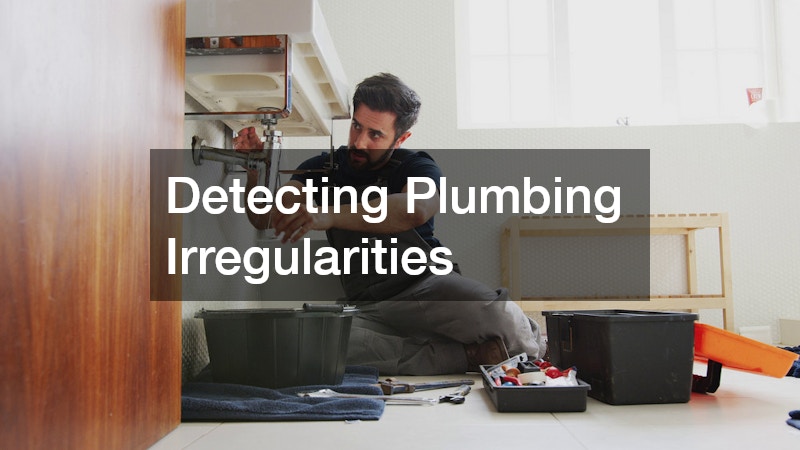
Plumbing systems are particularly vulnerable to gradual deterioration. Slow drainage, minor leaks under sinks, or unexplained water stains on ceilings often indicate developing concerns. Early plumbing repairs can prevent widespread water damage and structural compromise.
Persistent dampness near fixtures or subtle mildew odors suggest hidden leaks within walls or floors. Even small drips can lead to long-term deterioration if left unresolved. Paying attention to water pressure changes or discoloration also helps identify early-stage problems. Routine inspection of exposed pipes and connection points supports proactive maintenance. Identifying irregularities early reduces the risk of emergency failures that disrupt daily life.
Beyond visible leaks, homeowners should monitor subtle signs such as increased humidity in enclosed spaces. Cabinets under sinks should remain dry, with no soft spots forming along wood surfaces. Faucets that drip intermittently may signal worn internal seals that could worsen over time. Checking toilet bases for slight rocking movement can reveal deteriorating wax seals. Listening for faint running water sounds when fixtures are not in use may indicate hidden line leaks. Inspecting shutoff valves ensures they remain functional in case of emergency. Monitoring water meter readings during periods of no usage can uncover concealed system concerns. Identifying small irregularities early prevents structural damage and mold growth within walls or flooring.
Examining Structural Foundations
Foundation integrity is critical to overall home stability. Small horizontal or vertical cracks along basement walls can signal shifting soil or structural stress. Early basement wall crack repair prevents moisture intrusion and protects foundational strength. Cracks that widen over time or allow visible water seepage require immediate attention. Bowing walls, uneven flooring above, or doors that no longer close properly often accompany foundation movement. These warning signs should never be ignored. Monitoring structural changes allows homeowners to address soil pressure or drainage issues before they escalate. Preserving foundation integrity safeguards the entire property.
Homeowners should also observe exterior grading patterns around foundation walls. Soil that slopes toward the structure can increase hydrostatic pressure over time. Seasonal freeze-thaw cycles may expand minor cracks if moisture enters the gaps. Monitoring whether cracks widen, lengthen, or shift direction provides insight into ongoing structural movement. Interior drywall cracks that mirror basement wall changes can indicate broader foundation stress. Doors or windows that suddenly stick may reflect subtle frame shifting. Maintaining proper drainage around downspouts reduces pressure against basement walls. Tracking crack development through photographs helps measure progression accurately. Early stabilization efforts protect structural integrity and prevent long-term compromise.
Assessing Climate Control Devices
Thermostats serve as communication hubs between homeowners and HVAC systems. If temperature readings feel inaccurate or the system cycles inconsistently, there may be a need for thermostat repair. Early correction ensures that heating and cooling systems operate efficiently. Unresponsive controls or frequent recalibration needs indicate internal component wear. Dust accumulation or outdated wiring may also interfere with communication. Monitoring system responsiveness prevents unnecessary strain on HVAC equipment. Maintaining accurate climate control devices supports consistent comfort and efficient system operation throughout the year.
Homeowners should periodically compare thermostat readings with independent thermometers to confirm calibration accuracy. If the displayed temperature differs noticeably from actual room conditions, internal sensors may be misaligned. Batteries within programmable units should be replaced consistently to prevent communication failure. Wiring connections behind wall plates should remain secure and free from dust accumulation. Seasonal program adjustments help optimize energy performance throughout temperature shifts. Observing how frequently the HVAC system cycles on and off can indicate thermostat sensitivity issues. Smart devices should receive regular firmware updates to maintain reliable operation. Monitoring these small details ensures the control system continues to regulate home comfort effectively.
Identifying Water Line Emergencies

Sudden drops in water pressure, damp drywall, or unexplained puddles often precede major pipe failures. Recognizing these early indicators can prevent the need for extensive burst pipe repair following catastrophic rupture. Unusual banging sounds within pipes, known as water hammer, suggest pressure irregularities. Freezing temperatures increase the risk of pipe expansion and cracking. Monitoring insulation and water flow consistency helps reduce vulnerability. Early intervention protects flooring, drywall, and structural components from water damage. Prompt response prevents escalation into full-scale plumbing emergencies.
Homeowners should also inspect insulation around exposed pipes before seasonal temperature drops. Cracks in pipe coverings reduce freeze protection and increase vulnerability. Monitoring water bills for unexplained increases can signal concealed leaks. Subtle wall discoloration or bubbling paint often precedes visible water intrusion. Checking crawl spaces periodically helps detect damp soil conditions early. Ensuring shutoff valves operate smoothly provides preparedness in case of sudden rupture. Listening for irregular pipe vibrations during high-pressure usage may reveal pressure imbalance. Maintaining consistent water temperature and flow patterns helps detect abnormalities quickly. Early vigilance dramatically reduces the risk of structural damage from hidden leaks.
Monitoring Exterior Surfaces
Exterior paving contributes to both curb appeal and drainage control. Small cracks or uneven surfaces in driveways and walkways may indicate shifting soil or erosion beneath the surface. Addressing concerns through local paver repairs prevents larger structural displacement.
Pooling water after rainfall often signals grading issues or settling. Ignoring these symptoms can accelerate deterioration and create safety hazards. Regular inspection of exterior surfaces allows for timely correction.
Exterior walkways and driveways should be inspected after heavy rainfall or seasonal shifts. Fine cracks that appear stable during dry weather may widen following moisture saturation. Checking edge restraints around paved surfaces prevents gradual spreading. Weeds emerging between joints often signal base instability beneath the surface. Monitoring drainage patterns ensures runoff flows away from foundations rather than pooling nearby. Uneven settling near entryways can create trip hazards and indicate soil erosion. Maintaining proper joint stabilization extends the life of hardscape surfaces. Documenting small changes annually provides a clear reference for progression. Proactive surface maintenance preserves safety, appearance, and structural reliability. Maintaining exterior integrity preserves both aesthetic value and structural performance. Proactive monitoring reduces the likelihood of major reconstruction needs.
Major home systems rarely fail without warning. From subtle water pressure changes and temperature inconsistencies to small cracks and unusual sounds, early indicators provide valuable insight into developing concerns. Recognizing these signals empowers homeowners to protect their property’s structural integrity and operational efficiency.
By routinely evaluating plumbing, HVAC systems, foundations, appliances, and exterior surfaces, homeowners can address small irregularities before they escalate. Preventive awareness not only safeguards comfort but also supports long-term property stability. Understanding how to spot early warning signs transforms maintenance from reactive to proactive. With careful observation and timely attention, homeowners can ensure their property remains secure, functional, and resilient for years to come.