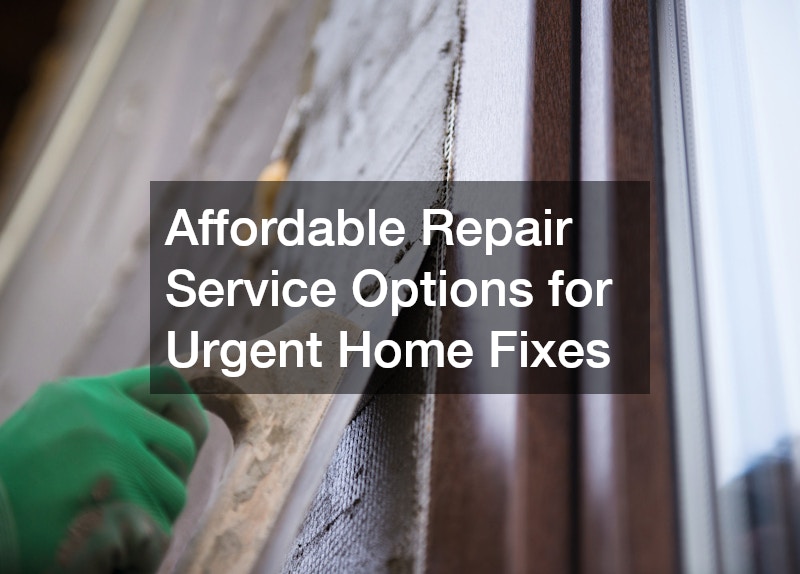
Managing a residential property in the modern era requires a shift from viewing a home as a static shelter to understanding it as a dynamic, evolving system. A house is a collection of interconnected layers—the site, the structure, the skin, the services, and the space plan—each of which has a different lifespan and maintenance requirement. When these layers work in harmony, the home provides peak efficiency, safety, and comfort. However, when one system is neglected, it inevitably places strain on the others. True home stewardship involves a holistic commitment to understanding these relationships, allowing homeowners to make informed decisions that preserve the structural integrity and financial value of their most significant investment.
Preserving the Structural Integrity of Your Roof
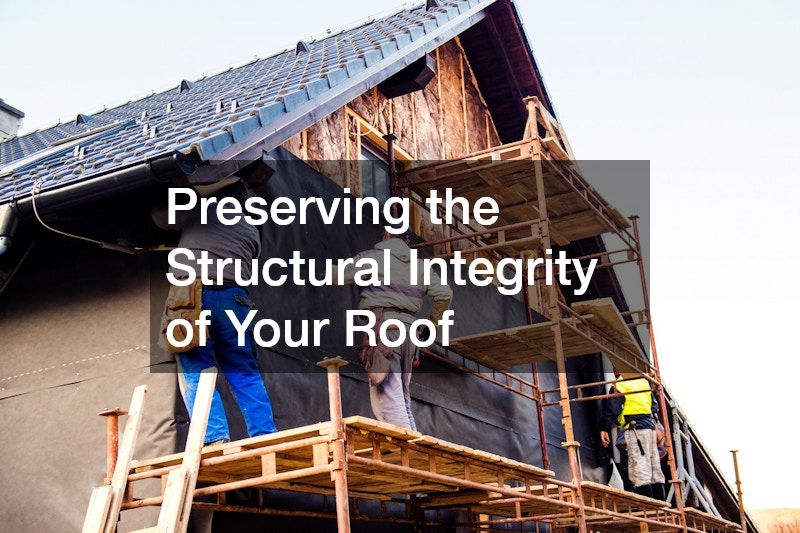
The roof is the first line of defense against the elements, serving as the protective shield that safeguards the entire structure from moisture, wind, and debris. Over time, shingles can lose their granules, flashing can rust, and underlying decking can become compromised due to prolonged exposure. Homeowners should view roof maintenance as a critical component of property value preservation rather than a task reserved only for when a leak becomes visible. Consistent monitoring and preventive maintenance allow homeowners to identify early signs of wear, such as cracked shingles or sagging sections, before they turn into major structural failures that affect the living space below.
Engaging a professional residential roofing contractor during the planning phase of any major renovation ensures that the structural load calculations are accurate and that the chosen materials are appropriate for the local climate. These experts provide deep insights into ventilation and thermal performance, which are essential for preventing ice dams in winter and heat buildup in summer. When searching for specialized residential roofing services, it is wise to prioritize firms that conduct thorough assessments of the attic space, as hidden moisture issues often originate from improper venting rather than the exterior material itself. By taking a proactive approach to the roof’s lifecycle, you effectively extend the lifespan of your investment and enhance the overall energy efficiency of the building envelope.
Advanced Foundation Stabilization and Moisture Control
The most fundamental layer of a home’s structural system is its foundation, which must remain immobile despite the dynamic nature of the soil beneath it. Factors such as expansive clay, fluctuating water tables, and frost heave can exert immense pressure on subterranean walls, leading to settling or horizontal shifting. While minor hairline cracks may be cosmetic, any fissure that allows for water infiltration or shows signs of widening over time requires immediate technical intervention. Foundation health is intrinsically linked to the property’s drainage plan, as saturated soil loses its load-bearing capacity and increases the risk of basement wall failure.
Modern stabilization techniques have evolved to include high-capacity piering systems and carbon fiber reinforcement, which provide a permanent fix for failing foundations without the need for total replacement. In addition to structural reinforcement, managing subterranean moisture through high-quality vapor barriers and sump pump systems is essential for preventing the buildup of mold and wood rot in floor joists. By maintaining a dry, stable base, homeowners protect every subsequent layer of the house, ensuring that the doors remain square, the windows function properly, and the interior finishes remain crack-free for the long term.
Managing Exterior Wear and Urgent Repairs
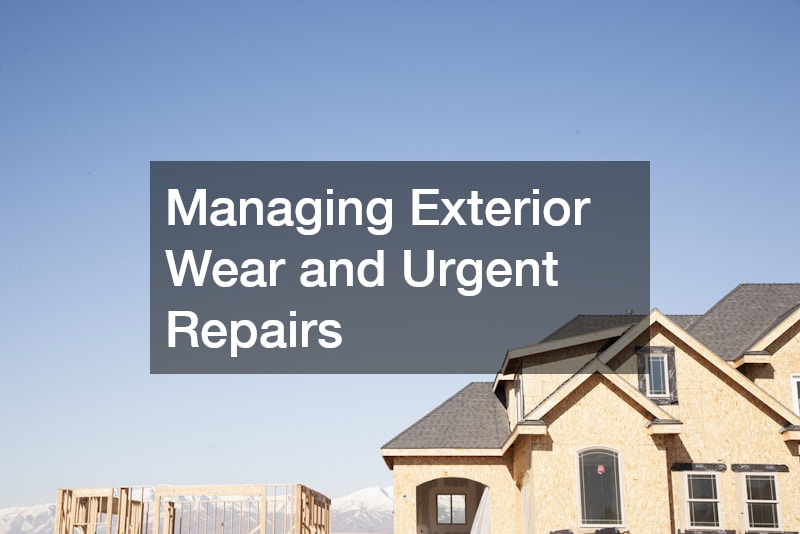
Sudden weather events or the natural aging process can often necessitate immediate action to prevent further degradation. When the integrity of the home’s shell is challenged, waiting for a convenient time to schedule repairs is rarely a viable strategy, as water intrusion can cause mold, rot, and electrical hazards in a matter of days. Maintaining a relationship with trusted roofing companies can provide the peace of mind that comes with knowing you have a reliable team to call when emergencies arise. These professionals can help differentiate between cosmetic issues and functional defects that threaten the home’s safety.
In scenarios where a localized issue is detected, such as a single torn shingle or a failing chimney seal, finding a reliable residential roof repair company is often the most cost-effective path to restoring the building’s defenses. Targeted repairs focus on the exact point of failure, preserving the surrounding structure while preventing unnecessary total replacements. This strategy of “repair-first” maintenance is highly effective for extending the service life of an aging roof. By addressing these smaller concerns, homeowners avoid the compounding costs of neglect and ensure that the home’s interior finishes, insulation, and framing remain dry and structurally sound.
The Role of High-Performance Siding and Exterior Finishes
The “skin” of a home is its secondary line of defense and a major contributor to its thermal performance and curb appeal. Siding is tasked with shedding liquid water while allowing the internal structure to “breathe,” preventing the trapment of vapor that leads to decay. Modern materials like fiber cement, engineered wood, and high-grade vinyl offer superior resistance to impact, fire, and pests compared to traditional organic options. However, the performance of these materials is entirely dependent on the quality of the house wrap and the flashing installed behind them, particularly around windows and doors where water intrusion is most likely to occur.
Upgrading to a high-performance exterior finish provides an opportunity to add a layer of continuous insulation, which significantly reduces thermal bridging and energy loss. Beyond the panels themselves, periodic maintenance of caulking and paint is necessary to keep the envelope sealed against wind-driven rain. A well-maintained exterior not only preserves the aesthetic value of the property but also reduces the maintenance burden on the internal framing. By choosing durable, low-maintenance finishes that are appropriate for the local climate, property owners can ensure their home remains resilient and visually striking with minimal long-term intervention.
Improving Energy Efficiency and Interior Systems
The modern home is an intricate network of electrical and thermal systems that must operate in tandem to create a comfortable, efficient living environment. As energy codes evolve and technology advances, many older homes find their electrical and thermal systems lagging behind current standards. Upgrading these core systems not only lowers utility bills but also increases the safety profile of the residence. An outdated electrical panel, for instance, may struggle to handle the high-draw appliances and smart home devices that are now standard in modern households, creating a significant fire risk.
Consulting a local electrician during any interior renovation is essential to ensure that your electrical load capacity meets modern requirements and that all wiring is up to current safety codes. Beyond electricity, the thermal efficiency of a home is heavily dictated by the quality of its apertures. Aging windows are often the primary source of heat loss or gain, leading to uneven room temperatures and unnecessary strain on the HVAC system. Investing in a professional window replacement project provides an immediate improvement in insulation and noise reduction. Choosing the right frame materials and glass coatings tailored to your region’s specific weather patterns allows you to optimize daylighting while maintaining a comfortable, steady indoor climate year-round.
Optimizing Interior Air Quality and Ventilation Systems
As modern homes become increasingly airtight to improve energy efficiency, the management of interior air quality (IAQ) becomes a mechanical necessity. In a sealed environment, pollutants from cooking, cleaning supplies, and off-gassing building materials can accumulate to hazardous levels, leading to respiratory issues and a lack of overall comfort. Mechanical ventilation systems, such as Energy Recovery Ventilators (ERVs), have become essential tools for exchanging stale indoor air with fresh, filtered outdoor air without losing the thermal energy that the HVAC system has already produced.
Furthermore, the integration of high-efficiency particulate air (HEPA) filtration and ultraviolet (UV) treatment within the ductwork can neutralize biological contaminants and fine dust particles. Proper ventilation in high-moisture areas like kitchens and bathrooms is equally vital to prevent the condensation that leads to mildew growth on walls and ceilings. By prioritizing the invisible atmosphere of the home, residents can create a healthy living environment that supports cognitive function and physical wellness. A balanced ventilation strategy ensures that the home’s tight building envelope does not come at the cost of the inhabitants’ health.
Optimizing Landscape and Ground Preparation
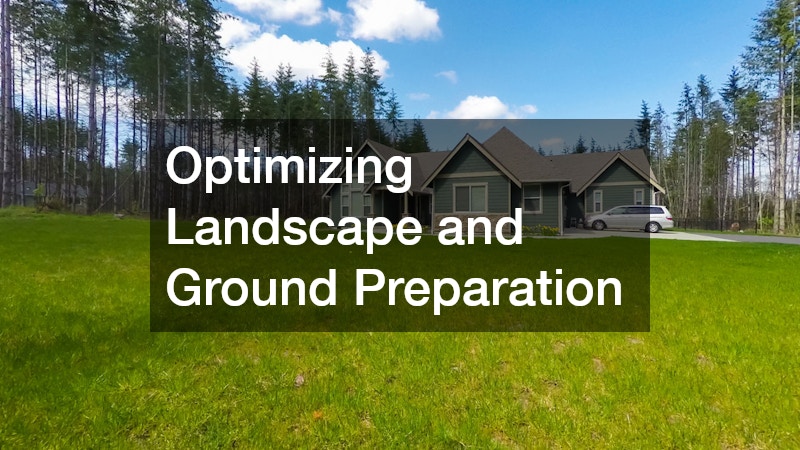
The land surrounding a home is just as critical as the structure itself, particularly concerning drainage and structural stability. Improper grading or the presence of invasive vegetation can jeopardize the foundation, lead to basement flooding, or cause localized shifting of the soil. Managing the outdoor environment requires a blend of horticultural knowledge and mechanical expertise. Before embarking on large-scale landscaping projects, it is imperative to address the underlying soil conditions to ensure that the ground is capable of supporting new structures or plantings.
For projects involving significant changes to the property’s topography, such as clearing space for an addition or correcting a drainage issue, professional excavation companies are necessary to ensure the work is done without damaging existing utilities or underground infrastructure. Once the site is prepared, focus should shift to the maintenance of existing vegetation. Trees that have grown too large or are showing signs of disease can pose a significant threat during windstorms. Seeking the advice of local tree companies helps in creating a canopy management plan that protects the home from falling limbs while promoting the health of the trees themselves. A well-engineered landscape is one that directs water away from the foundation and provides a stable, healthy environment for both the inhabitants and the vegetation.
Strategic Lighting Design and Electrical Reliability
Lighting is one of the most powerful tools in interior modernization, capable of transforming the functionality and mood of a space without structural changes. Modern lighting design focuses on a layered approach—combining task, ambient, and accent lighting to reduce eye strain and highlight architectural features. The transition to LED technology has not only lowered energy consumption but has also introduced “tunable” lighting, which allows homeowners to adjust the color temperature of their rooms to match the time of day, supporting the natural circadian rhythms of the family.
However, the effectiveness of a sophisticated lighting scheme is dependent on a robust and safe electrical infrastructure. As households add more high-draw devices, from home theaters to electric vehicle chargers, the demand on the electrical panel increases. Ensuring that circuits are correctly mapped and that Ground Fault Circuit Interrupter (GFCI) outlets are installed in all wet areas is a basic requirement for household safety. By integrating smart dimmers and automated controls into a modernized electrical system, homeowners can achieve a level of convenience and efficiency that was previously impossible, all while ensuring the home’s wiring remains cool and stable under load.

Enhancing Outdoor Living and Recreation
As the home expands outward, the focus shifts to creating durable, functional spaces for recreation and entertaining. An outdoor living space that is built to last requires the same attention to material selection and structural design as the interior of the house. Surfaces like pool decks and patios are subjected to intense daily use and environmental exposure, making them susceptible to cracking, fading, and staining over time. A proactive approach to surface maintenance ensures these areas remain inviting and safe for family and guests.
If your swimming area has begun to show signs of structural wear, such as pitting, rough textures, or cracked tile, a pool replastering company can restore the finish and protect the concrete shell from further deterioration. Beyond maintenance, expanding the home’s utility often involves building specialized areas for dining and cooking. Engaging an outdoor kitchen contractor to design and install these features ensures that all gas, water, and electrical connections are properly shielded from the elements. By investing in the longevity of these outdoor assets, you create a seamless extension of the indoor living area that adds substantial value and enjoyment to the property.
Sustainable Water Management and Plumbing Longevity
Water is both a necessity and the most frequent cause of residential property damage. Managing this resource effectively involves a dual strategy of high-quality filtration and proactive leak detection. Hard water, which contains high levels of calcium and magnesium, is a silent killer of appliances, causing scale buildup that chokes pipes and ruins the heating elements in water heaters and dishwashers. Installing a whole-home water softening and filtration system protects the entire plumbing network, ensuring that water remains clear and non-corrosive from the point of entry to the tap.
In addition to filtration, the adoption of smart leak detection technology provides a critical safety net. These sensors can be placed in high-risk areas, such as under sinks or near laundry machines, and can automatically shut off the main water valve if an unusual flow rate is detected. This technology is particularly valuable for protecting expensive flooring and cabinetry from the catastrophic effects of a burst pipe. By treating the plumbing system as a valuable asset that requires clean water and constant monitoring, homeowners can prevent the vast majority of water-related insurance claims and extend the operational life of their fixtures.
The Foundation of Long-Term Home Excellence
Mastering the lifecycle of a modern residence is an ongoing journey of proactive stewardship rather than a series of reactive fixes. By viewing your home as a high-performance system—where the integrity of the foundation supports the efficiency of the ventilation, and the precision of the plumbing protects the beauty of the interior—you create a legacy of comfort and value. Investing in quality materials and professional expertise today ensures that your property remains resilient against environmental threats while providing a healthy, functional sanctuary for the future. Ultimately, a dedicated approach to holistic maintenance transforms a simple house into a sustainable, long-term asset that provides peace of mind for decades to come.