
Major home repairs have a way of showing up at the worst possible time—right when your savings are stretched, or your schedule is packed. A failing system, structural issue, or unexpected damage can quickly spiral into a financial headache if you’re not prepared. The good news is that with a thoughtful approach, you can take control of the process, reduce stress, and make smarter financial decisions along the way.
This guide walks through how to plan, prioritize, and budget effectively so that even large repairs feel manageable rather than overwhelming.
Assess Your Home’s Most Urgent Repair Needs First
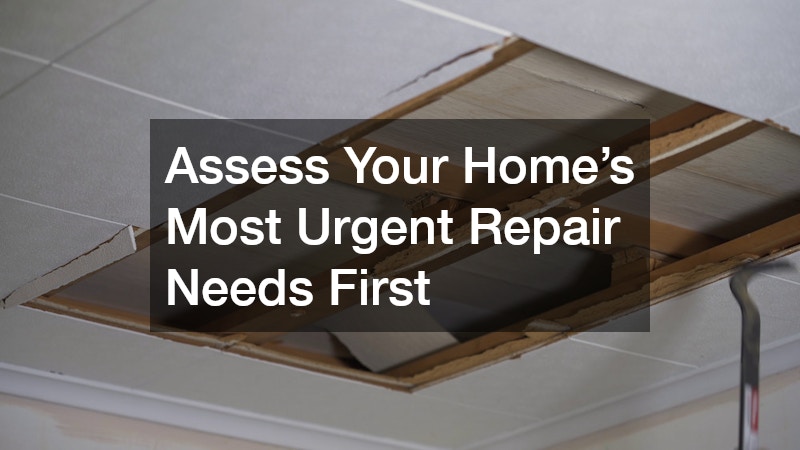
Before you even think about numbers, you need clarity. Not all repairs are created equal, and treating them as such is one of the most common budgeting mistakes homeowners make.
Start by walking through your home with a critical eye. Look for signs of wear, damage, or inefficiency. Some issues—like cosmetic updates—can wait. Others demand immediate attention.
Think in terms of impact:
- Safety risks (electrical problems, structural instability)
- System failures (plumbing, heating issues)
- Damage that worsens over time (leaks, mold, cracks)
For example, a minor crack in drywall might not matter today. But inconsistent heating in winter could signal a larger system issue that will only get more expensive if ignored. In cases like this, consulting an HVAC contractor early can help you determine whether you’re dealing with a simple fix or something more serious.
A helpful way to organize your findings is to sort repairs into three categories:
- Immediate (fix now)
- Short-term (within 6–12 months)
- Long-term (monitor and plan)
This prioritization prevents you from spreading your budget too thin and ensures critical systems stay functional.
Build a Realistic Repair Budget With Buffer Room
Once you know what needs attention, it’s time to translate that into numbers—but not just rough guesses. A strong repair budget is grounded in real estimates and includes room for the unexpected.
Start by gathering quotes for your top-priority repairs. Even if you’re not ready to begin immediately, this gives you a baseline. If you’re dealing with larger structural work, a construction contractor can provide a detailed breakdown that helps you understand labor, materials, and timelines.
But here’s where many homeowners go wrong: they budget only for the obvious costs.
A smarter approach includes:
- Labor and materials
- Permits and inspections
- Cleanup and disposal costs
For instance, a renovation that involves tearing out old materials often requires proper waste handling. Factoring in something like a dumpster rental upfront prevents surprise expenses later.
Most importantly, build in a contingency buffer—typically 10–20% of your total budget. Hidden issues are common, especially in older homes, and having that cushion can mean the difference between staying on track and going into debt.
Decide What You Can DIY and What to Outsource
There’s a certain satisfaction in fixing things yourself—and sometimes it genuinely saves money. But when it comes to major repairs, knowing your limits is just as important as having tools in your garage.
Some projects are well-suited for DIY:
- Painting
- Minor fixture replacements
- Basic landscaping
Others carry a higher risk and complexity. For example, attempting an AC repair without the proper training can lead to bigger problems, including system damage or safety hazards.
Licensed HVAC contractors, on the other hand, bring expertise that can prevent costly mistakes. While hiring professionals may feel expensive upfront, it often saves money in the long run by ensuring the job is done the first time correctly.
Ask yourself a few honest questions before deciding:
- Do I have the skills and tools required?
- What’s the cost of getting it wrong?
- Will this affect safety or compliance?
If the stakes are high, outsourcing is usually the smarter financial decision.
Get Multiple Quotes Without Getting Overwhelmed

It’s tempting to go with the first quote you receive—especially if you’re eager to get the repair done. But taking the time to compare options can lead to significant savings.
Aim to collect at least three estimates for any major repair. This gives you a sense of the market rate and helps you identify outliers.
When reviewing quotes, don’t focus solely on price. Consider:
- Scope of work
- Materials used
- Timeline
- Warranty or guarantees
A lower quote might exclude important details that end up costing more later.
When speaking with an HVAC contractor or a construction contractor, ask specific questions about what’s included. Clarity at this stage prevents misunderstandings during the project.
And remember—negotiation isn’t off-limits. Contractors often have flexibility, especially if you’re bundling multiple projects or scheduling during slower seasons.
Prevent Costly Repairs With Routine Maintenance
The most affordable repair is the one you never have to make. Preventative maintenance might not feel urgent, but it’s one of the most effective ways to protect your budget over time.
Think of your home like a system of interconnected parts. When one area is neglected, it often impacts others.
Take airflow, for example. Regular duct cleaning improves efficiency and reduces strain on your system, which can extend the lifespan of your equipment. Similarly, staying on top of heating maintenance ensures your system runs smoothly when you need it most.
A simple seasonal routine can make a big difference:
- Spring: Inspect cooling systems and check for leaks
- Summer: Clean filters and monitor energy usage
- Fall: Prepare heating systems and seal drafts
- Winter: Watch for moisture issues and insulation gaps
By spreading maintenance tasks throughout the year, you avoid large, sudden expenses and keep your home functioning efficiently.
Plan for Hidden Problems Before They Derail Your Budget
No matter how carefully you plan, surprises happen. The key is not to avoid them entirely—but to expect them.
Older homes, in particular, are prone to hidden issues. You might open up a wall and discover moisture damage or mold. In these cases, professional mold removal becomes necessary—not just for the structure of your home, but for your health as well.
Demolition and cleanup can also add unexpected costs. Having a plan for debris removal, such as arranging a dumpster rental, keeps the project moving without delays.
Here’s a practical mindset shift: treat the unknown as part of the budget, not an exception to it.
Instead of asking, “What if something goes wrong?” assume that something will—and prepare accordingly. This reduces stress and keeps your finances stable even when the project takes an unexpected turn.
Upgrade Strategically Instead of Replacing Everything
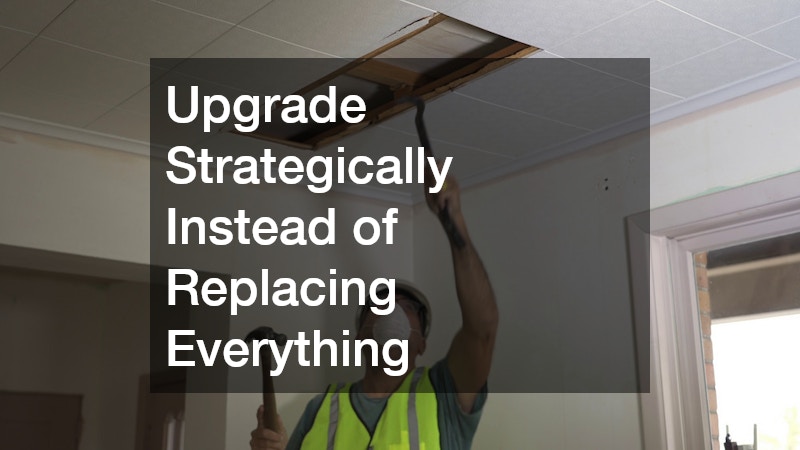
When something breaks, the instinct is often to replace it entirely. But in many cases, strategic upgrades offer better value.
For example, improving insulation or installing sound proof glass can enhance comfort and energy efficiency without requiring a full overhaul of your home’s structure.
Similarly, outdoor improvements—like hiring a fence installation service—can boost security and property value without the scale of a major renovation.
The key is to think in terms of impact versus cost. Ask:
- Will this upgrade improve daily comfort?
- Does it reduce long-term expenses?
- Does it add value to the home?
By focusing on targeted improvements, you can stretch your budget further and achieve meaningful results without overspending.
Time Your Repairs to Save Money
Timing plays a bigger role in cost than many homeowners realize. Contractors, materials, and demand all fluctuate throughout the year.
For instance, scheduling an AC repair during cooler months often results in lower prices and faster service, since demand is lower. The same applies to hiring HVAC contractors outside of peak seasons.
Planning ahead allows you to:
- Avoid emergency pricing
- Take advantage of off-season discounts
- Secure better availability
Imagine needing a repair in the middle of summer when everyone else is calling for the same service. You’ll likely pay more—and wait longer. But if you plan ahead, you can avoid that scenario entirely.
Timing isn’t just about convenience—it’s a strategic way to control costs.
Explore Financing and Payment Options Wisely
Even with careful budgeting, some repairs are too large to pay for up front. In these cases, financing can be a useful tool—but only if used thoughtfully.
Start by comparing your options:
- Savings or emergency funds
- Home equity loans
- Contractor financing plans
If you’re working with a construction contractor, ask about payment structures. Some offer phased payments that align with project milestones, making costs easier to manage.
In situations like mold removal, where delays can worsen the problem, financing may be the more responsible choice—even if it involves interest.
The key is to avoid high-interest options that create long-term financial strain. Read the fine print, understand repayment terms, and choose the option that aligns with your overall financial health.
Track Spending and Adjust Your Budget in Real Time

Budgeting doesn’t stop once the project begins. In fact, this is when it matters most.
As work progresses, keep detailed records of every expense—no matter how small. This includes materials, labor, and smaller services like duct cleaning or a fence installation service.
Tracking allows you to:
- Stay within your budget
- Identify areas where costs are increasing
- Make adjustments before it’s too late
You don’t need anything complicated. A simple spreadsheet or budgeting app can provide enough visibility to keep you on track.
More importantly, reviewing your spending after each project helps you improve your approach for the future. Over time, you’ll develop a clearer understanding of what things actually cost—and how to plan more effectively.
Build a Long-Term Repair Strategy That Evolves With Your Home
One of the biggest shifts you can make as a homeowner is moving from reactive budgeting to proactive planning. Instead of waiting for something to break, you begin to anticipate what your home will need over the next five, ten, or even fifteen years.
Every system in your home has a general lifespan. Roofs, HVAC systems, appliances, fencing, and even windows all wear down over time. When you understand these timelines, you can start spacing out major expenses instead of facing them all at once.
For example, if you know your water heater is nearing the end of its life, you can begin setting aside funds gradually instead of scrambling when it fails. The same goes for exterior elements—planning ahead for things like fencing or window upgrades gives you more flexibility in choosing quality over urgency.
A practical way to approach this is to create a simple “repair calendar.” It doesn’t need to be overly detailed. Just list the major components of your home and estimate when they might need attention. Then revisit and adjust it annually based on what you observe.
This approach has a few major benefits:
- You reduce the likelihood of emergency repairs
- You can take advantage of better pricing by planning ahead
- You gain more control over your financial timeline
Over time, your home stops feeling like a source of unpredictable expenses and starts to feel like something you’re actively managing.
Balance Cost Savings With Quality Decisions
It’s natural to want to minimize costs during a major repair, but focusing only on the lowest price can backfire quickly. Cheap materials, rushed labor, or incomplete work often lead to repeat repairs—and higher costs in the long run.
Instead of asking, “What’s the cheapest option?” shift the question to, “What offers the best value over time?”
Value includes:
- Durability of materials
- Quality of workmanship
- Energy efficiency improvements
- Warranty or service guarantees
For instance, investing slightly more upfront in higher-quality materials or experienced professionals can significantly extend the lifespan of a repair. That means fewer disruptions, fewer follow-up costs, and better overall performance.
There’s also a psychological benefit. When you feel confident in the quality of a repair, you’re less likely to second-guess your decisions or worry about future issues. That peace of mind is worth considering as part of the overall investment.
A helpful rule of thumb: if a decision impacts safety, structural integrity, or major systems, prioritize quality over cost. For smaller, cosmetic updates, you can be more flexible and cost-conscious.
Learn From Each Project to Improve Future Budgeting

Every repair project—whether it goes smoothly or not—offers valuable insight. Instead of moving on once the work is done, take a moment to reflect on what you learned.
Ask yourself:
- Were the initial estimates accurate?
- Did unexpected costs arise? If so, why?
- Was the timeline realistic?
- Would you hire the same professionals again?
Keeping a simple record of these reflections can help you refine your approach over time. You’ll start to recognize patterns, avoid past mistakes, and make faster, more confident decisions in future projects.
For example, you might notice that certain types of repairs consistently go over budget, prompting you to increase your contingency fund in those areas. Or you may discover that scheduling work earlier in the year gives you better pricing and availability.
Homeownership is an ongoing process, and your ability to adapt and learn is one of your greatest assets. The more experience you gain, the more efficient and effective your budgeting becomes.
Bringing It All Together
Budgeting for major home repairs isn’t about eliminating costs—it’s about managing them intelligently. By prioritizing what matters, planning for the unexpected, and making informed decisions at every step, you can turn a potentially overwhelming process into something far more manageable.
A well-maintained home doesn’t just save money—it creates peace of mind. And that’s one investment that always pays off.