Your home is your ultimate sanctuary, a place designed to shield you from the chaotic outside world. However, a house can also become a closed ecosystem that traps invisible invaders if left unmanaged. Microorganisms such as toxic mold spores, airborne viruses, and deep-seated bacteria quietly compromise your family’s respiratory health, often establishing colonies long before any physical signs manifest.
These microscopic pathogens require only a narrow window of opportunity to thrive: a baseline level of moisture, stagnant air, and an organic food source like drywall or wood. Minor maintenance lapses that seem completely unrelated to health, such as a clogged exterior track or a hairline fracture in a seal, often create the ideal microclimate for a biological bloom.
Protecting your living space from these biological threats requires moving beyond superficial cleaning. It demands a structured, proactive approach to structural upkeep.
Climate Control & Air Quality: Managing Moisture in the Air
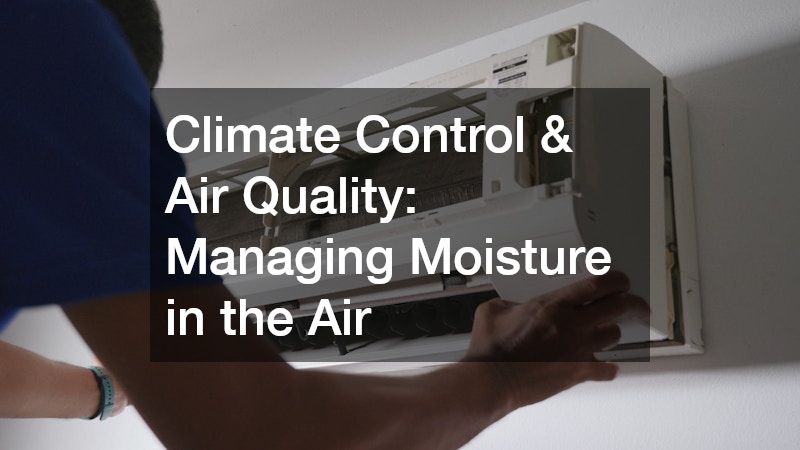
The air circulating through your home does more than regulate temperature; it dictates the ambient moisture levels that pathogens rely on to survive. When air stands still or holds too much water vapor, it turns every room into a potential incubator for dust mites and fungal spores. Managing this system requires a careful look at how your cooling machinery handles water.
Optimizing indoor humidity is your primary defense. You should aim to keep your home’s relative humidity strictly between thirty percent and fifty percent. Anything higher creates a breeding ground for fungi, while anything lower can dry out human mucous membranes, making occupants more susceptible to respiratory infections.
Using smart thermostats or dedicated hygrometers allows you to track these levels dynamically. Pay close attention to the cooling coils and drip pans within your primary air systems. As warm indoor air passes over cold metal coils, moisture condenses rapidly. If the associated drain lines are clogged with dust or algae, that water pools inside the dark internal cabinetry, creating a perfect dark room for bacterial slime and fungal growth.
Regular system calibrations prevent these issues from developing into systemic health hazards. Enlisting professional HVAC services ensures that your heating, cooling, and ventilation machinery is thoroughly sanitized once a year. Technicians use specialized bio-cleaners to scrub the evaporator coils, clear out the condensate lines, and check that the overall air exchange rate meets modern health standards.
When airflow weakens or a system struggles to pull moisture out of the air effectively, it usually points to an underlying mechanical failure. Prompt air conditioning repair is essential if you notice ice forming on the external lines, weak airflow from the registers, or a persistent musty scent whenever the blower kicks on. Addressing a malfunctioning compressor or a faulty blower motor immediately cuts off the spike in ambient humidity that allows airborne pathogens to travel freely from room to room.
- Change your air filters every sixty days, opting for pleated filters with a Minimum Efficiency Reporting Value of thirteen to trap microscopic spores.
- Pour a cup of white vinegar down your system’s condensate drain line once a month during the summer to prevent algae blocks.
- Keep furniture and heavy drapes at least six inches away from return vents to maintain balanced air pressure and continuous circulation.
The Waterproof Shield: Securing the Exterior Envelope
The structural exterior of your home is a defensive barrier designed to shed water and deflect environmental hazards. When this envelope is breached by expanding cracks or misaligned entryways, external moisture enters the hidden wall cavities, feeding hidden colonies of black mold behind your wallpaper and drywall.
Windows and patio doors represent major weak points in this exterior barrier. Over time, houses settle, and the tracks of heavy glass doors can warp or fill with organic debris like leaves and dirt. When heavy rains hit, a blocked track prevents water from draining outward through the built-in weep holes. Instead, the water backs up, spilling over the internal track and soaking into the wooden subfloor and baseboards.
Prioritizing sliding window repairs is a necessary step whenever you notice foggy glass, which indicates a blown thermal seal, or when the frame becomes difficult to operate. Ensuring that these frames glide smoothly and seal tightly keeps wind-driven rain from bypassing the weatherstripping and rotting the structural framing hidden within your walls.
Moving past the window frames, the exterior cladding of your house bears the brunt of seasonal weather shifts. Wood, vinyl, and fiber-cement panels expand and contract continuously, which can loosen the nails or degrade the caulking around trim boards. If moisture slips behind this outer layer, it gets trapped against the house wrap, creating an ideal environment for wood-rotting fungi.
Conducting a thorough seasonal check for cracked, warped, or loose panels allows you to address vulnerabilities before the damage spreads internally. Investing in timely siding repair stops exterior leaks from turning into deep-set biological problems. Pay special attention to the areas where your exterior walls meet the foundation, as well as the joints around outdoor light fixtures and utility penetrations, sealing any visible gaps with a high-grade exterior silicone sealant.
- Clean out sliding track channels with a stiff brush and vacuum every spring, checking that the tiny exterior drain holes are completely clear.
- Inspect the rubber gaskets around all exterior window panes, replacing any sections that have dry-rotted, cracked, or shrunk away from the edge.
- Ensure that garden sprinklers are positioned so they do not spray directly against your home’s exterior walls or foundation vents.
Overhead Protection: Stopping Roof and Structural Leaks
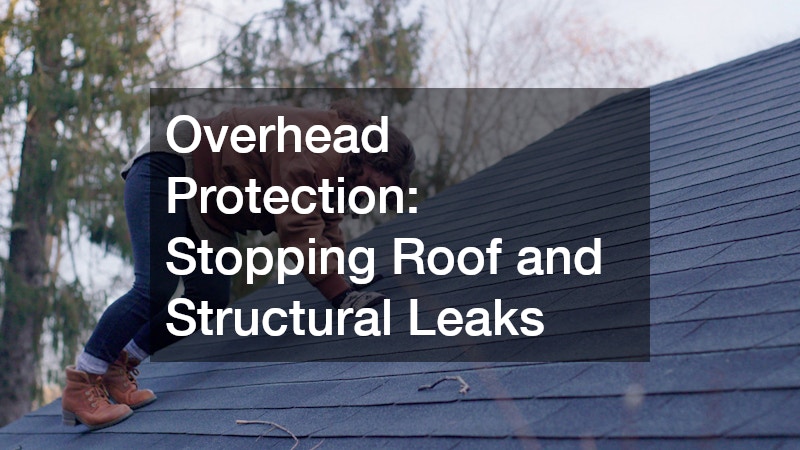
Gravity ensures that any failure in your roof system will eventually impact the living spaces below. Because roof leaks often start small and remain hidden in the attic for months, they represent a significant cause of widespread mold contamination and structural degradation.
Auditing your attic space requires checking for internal signs of moisture accumulation. During the winter, warm, humid air from the living space can rise into a poorly ventilated attic, condensing on the cold underside of the roof decking. This creates a frost layer that melts during the day, soaking the ceiling insulation and fostering fungal growth. Ensure your attic insulation does not block the soffit vents, allowing fresh air to flow upward and out through the ridge vents to equalize the temperature.
When weather events displace materials or age degrades the primary barrier, professional intervention is necessary. Professional roofing services should be utilized to perform structural checkups after severe storms or at least once every two years. A trained eye can spot compromised flashing around chimneys, lifted valleys, and balding shingles where water can seep through the underlayment and compromise the plywood deck.
Vulnerabilities are not limited to the main residential structure; attached structures and large entry bays pose unique risks to the rest of the home. Large utility spaces can serve as an entry point for heavy rain and pests if the primary barriers fail to seal against the concrete slab.
Arranging for garage door repair is critical if your overhead tracking is misaligned, if the automated lift fails to compress the bottom seal completely, or if the rubber weatherproofing along the perimeter has torn. A poorly sealed overhead door allows pooling rainwater to wash into the space, soaking stored cardboard boxes and drywall dividers, creating a massive, unventilated breeding ground for pathogens that can easily migrate into the main house through adjoining interior doors.
- Examine attic rafter boards with a powerful flashlight during a heavy downpour to check for active drips or damp, dark wood grain.
- Clear all fallen leaves, twigs, and pine needles from roof valleys and gutters twice a year to prevent water from backing up under the lower shingle rows.
- Check that your downspout extensions discharge water at least five feet away from your foundation wall to protect the basement or crawlspace.
Wet Zones: Eradicating Moisture in Bathrooms and Kitchens
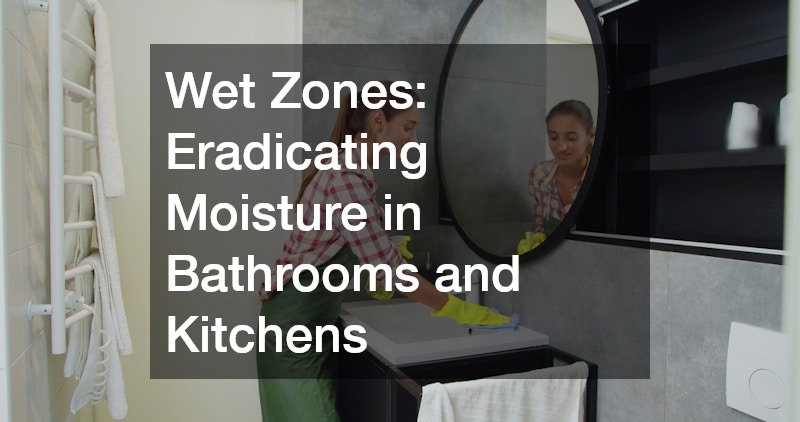
Bathrooms and kitchens handle thousands of gallons of water each week, making them the most common sites for indoor biological growth. Because these rooms feature high ambient humidity and constant water usage, keeping them clean requires a combination of behavioral habits and mechanical upkeep.
Hidden plumbing leaks are far more dangerous to your health than a sudden, obvious burst pipe. A tiny pinhole leak in a supply line hidden inside a wall cavity can spray a fine mist of water for months without causing a visible pool. This continuous supply of water allows mold to thrive on the paper backing of drywall, spreading inside the wall before breaking through the surface paint.
Regularly check under every sink, behind the refrigerator’s ice maker line, and around dishwasher bases for any dampness, discoloration, or salt crusts on the fittings. If you notice a mystery drop in water pressure, an unexplained spike in your monthly utility bill, or a damp odor under your cabinets, calling in licensed plumbing contractors is the safest way to isolate the issue. These specialists use specialized pressure gauges and pipe-inspecting cameras to pinpoint hidden failures inside your walls before a small leak turns into a major biohazard.
Surface management in high-splash zones is equally important. The junctions where sinks, showers, and tubs meet your walls are protected by silicone or polyurethane caulk. Over time, this flexible barrier degrades, peels, or pulls away due to structural settling, allowing water to slip into the subfloor.
Staying on top of cosmetic bathtub repairs is essential to keep water contained within the waterproof basin. Fixing chipped porcelain, repairing cracked acrylic walls, and scraping away old, black-spotted caulk to apply a fresh bead of kitchen-and-bath sealant prevents water from soaking the floor joists below, keeping the structure dry and pest-free.
- Run your bathroom exhaust fans during every shower and leave them running for twenty minutes after you finish to completely clear out the damp air.
- Pull back shower curtains and leave glass doors cracked open after use to allow maximum airflow across the interior surfaces.
- Pull off the kickplates under your dishwasher and kitchen sink base once a year to verify that the floor underneath remains dry.
From the Ground Up: Subfloor Protection and Remediation
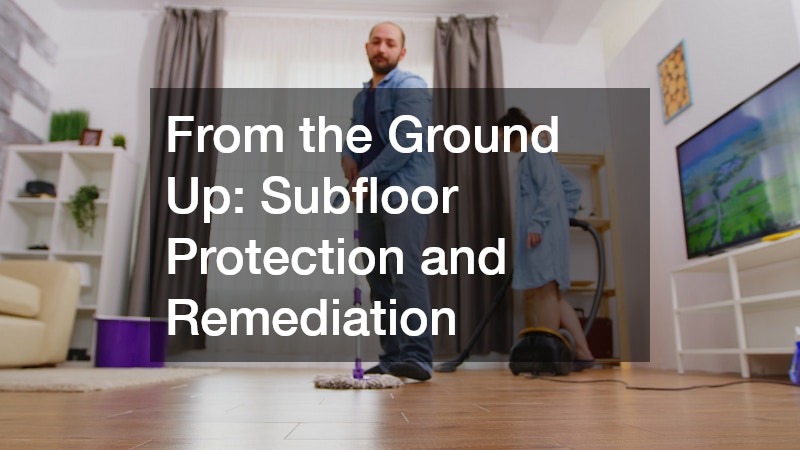
The lowest levels of your home—the flooring, subfloor, and foundations—are vulnerable to moisture rising from the earth or settling from indoor spills. If these areas are compromised, they can contaminate the air throughout the house due to the stack effect, where warm air rises and pulls lower air upward into the living areas.
The choice of flooring material in moisture-prone zones dictates your home’s baseline vulnerability. Wall-to-wall carpeting in a basement, bathroom, or kitchen is a significant risk, as the fibrous backing traps organic dirt, skin cells, and ambient moisture, making it almost impossible to clean fully once wet.
Consulting with professional flooring contractors allows you to select non-porous options like luxury vinyl tile, engineered stone, or sealed concrete for high-risk zones. These professionals ensure that a heavy-duty vapor barrier underlayment is installed beneath the hard flooring, stopping groundwater vapor from rising through the concrete slab and rotting the decorative flooring material from beneath.
If a major leak occurs or a plumbing failure goes unnoticed, you may eventually face an active biological outbreak. When a colony establishes itself on porous surfaces like drywall, insulation, or unfinished wood, typical household cleaners like bleach are often ineffective. Bleach consists mostly of water, which can soak deeper into porous materials and actually feed the roots of the fungus after the surface chlorine evaporates.
When dealing with significant contamination, investing in professional mold removal is the only way to ensure the home is safe to inhabit. Certified remediation experts use specialized containment barriers, negative air machines equipped with medical-grade filters, and industrial structural drying equipment to eliminate the colony completely without releasing millions of spores into the rest of the house.
- Choose solid or engineered hard surfaces rather than carpet for below-grade basements and entryway mudrooms.
- Seal tile grout lines in your kitchen and bathroom every year with a penetrating sealer to keep dirty wash water from soaking into the mortar bed.
- If a major spill or leak occurs, use heavy-duty air movers and commercial dehumidifiers to dry the entire area within forty-eight hours to prevent spore germination.
Maintaining a home that is free from mold and dangerous pathogens is an ongoing process that requires regular attention to your property’s structural integrity. By treating home maintenance as a form of preventative healthcare, you can stop biological threats before they affect your family’s well-being. From managing the air flowing through your ventilation systems to reinforcing the external barriers against rain and grounding your wet zones in durable, non-porous materials, every repair plays a role in your home’s ecosystem. Take the time to audit your home’s vulnerabilities this season, fix minor issues early, and enjoy the peace of mind that comes with a clean, healthy living space.