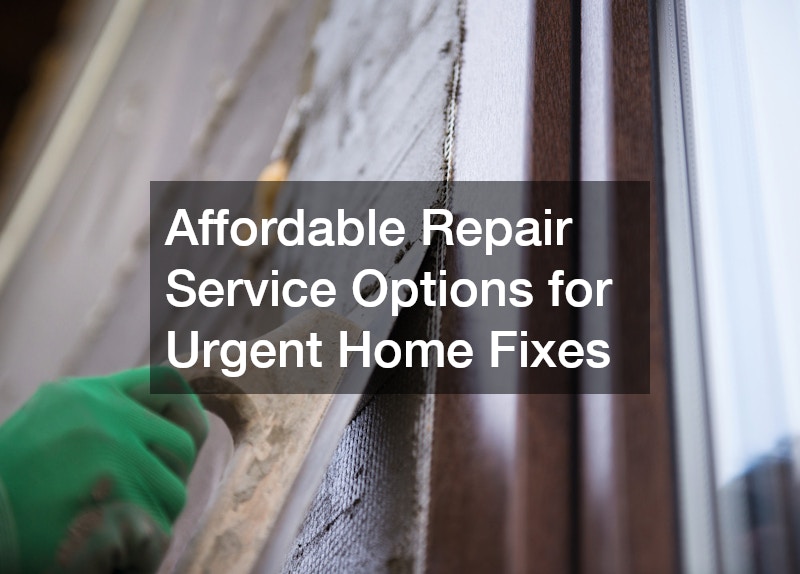
A well-maintained home is more than a comfortable living space; it’s an investment in long-term safety, efficiency, and value. Every system, from mechanical components to structural elements, contributes to the overall health of a property. Neglecting maintenance or delaying necessary repairs can lead to cascading problems, unexpected emergencies, and significant financial costs. Proactive care not only preserves the functionality of the home but also protects its market value and ensures it remains a safe environment for residents.
Understanding when and how to utilize professional services is critical. Some maintenance tasks are well-suited to regular homeowner attention, but many require the expertise of trained specialists to avoid mistakes or further damage. Coordinating services such as heating system inspections, roof assessments, plumbing repairs, or concrete work ensures that issues are identified early and resolved effectively. Additionally, using professional services can provide peace of mind, reduce stress, and offer expert guidance on preventative solutions that homeowners might not consider on their own.
This guide provides in-depth strategies for protecting your home investment through professional services. Each section highlights specific systems and areas, offering actionable advice for inspections, preventative measures, and repair strategies that minimize risk and enhance longevity. From indoor mechanical systems to outdoor structures, this approach helps homeowners safeguard their property year-round while improving efficiency, comfort, and long-term value.
Maintaining Efficient Heating Systems
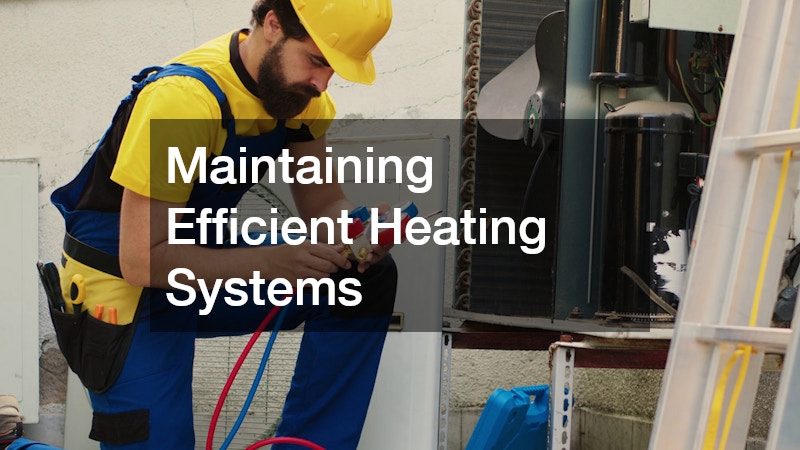
Heating systems are vital to home comfort and safety, particularly in colder months. Regular maintenance prevents breakdowns, improves efficiency, and reduces utility costs. Scheduling professional services ensures that issues are caught early, avoiding unexpected failures during peak usage periods. Proper upkeep also reduces strain on system components, extending the overall lifespan of the furnace and HVAC units.
Homeowners should prioritize furnace repairs and HVAC services to maintain optimal performance. A professional HVAC company can uncover worn components, blocked vents, or efficiency problems that may not be obvious during routine checks. Technicians can also test thermostat functionality, inspect ductwork for leaks, and ensure that safety systems such as carbon monoxide detectors are operational. Additionally, professionals can clean burners, coils, and other critical components to improve airflow and system responsiveness. Performing these checks before winter ensures consistent indoor temperatures, reduces energy usage, and prevents emergency repairs, all while enhancing safety and reliability.
Key Heating Maintenance Tips:
- Schedule seasonal furnace tune-ups before winter.
- Replace air filters regularly to improve airflow and reduce allergens.
- Check for unusual noises or uneven heating.
- Inspect ductwork for leaks or debris buildup.
- Monitor energy bills for unexplained increases, which may indicate inefficiency.
Proactive care ensures that heating systems last longer, operate efficiently, and provide consistent comfort. It also minimizes the likelihood of costly emergency repairs and contributes to energy savings. By addressing minor issues before they escalate, homeowners protect both their comfort and their home investment, ensuring a safe and reliable indoor environment throughout the season.
Ensuring Roof Longevity
Roofs protect the entire structure, and even minor damage can lead to leaks, water intrusion, or structural deterioration. Regular roof inspections and repairs are crucial to maintaining a healthy home. Partnering with a local roofer ensures that issues are identified and addressed professionally, reducing the risk of costly emergency repairs.
A thorough inspection includes checking shingles for curling or cracking, assessing flashing and vent seals, and evaluating roof slopes for proper drainage. Winter and spring storms can exacerbate pre-existing issues, so timely professional attention is vital. Beyond repairing visible damage, a roofer can identify potential weak points, recommend preventative solutions, and ensure compliance with local building codes. Additionally, professional roofers can evaluate attic ventilation, insulation effectiveness, and structural supports, which all influence energy efficiency and the lifespan of roofing materials. Preventative maintenance extends roof lifespan, reduces insurance risk, and safeguards the home’s structural integrity.
Key Roof Maintenance Tips:
- Inspect shingles, flashing, and vents for damage or wear.
- Clean gutters and downspouts to prevent water overflow onto foundations.
- Schedule minor roof repair before heavy rain or winter snow.
- Check for signs of rot or mold under eaves and rooflines.
- Document roof age to plan for eventual replacement.
Timely attention reduces the risk of water damage, extends roof life, and helps maintain property value. Preventative maintenance also ensures that insurance coverage is not jeopardized due to neglect, giving homeowners peace of mind and a safer, more resilient home.
Protecting Plumbing and Water Systems
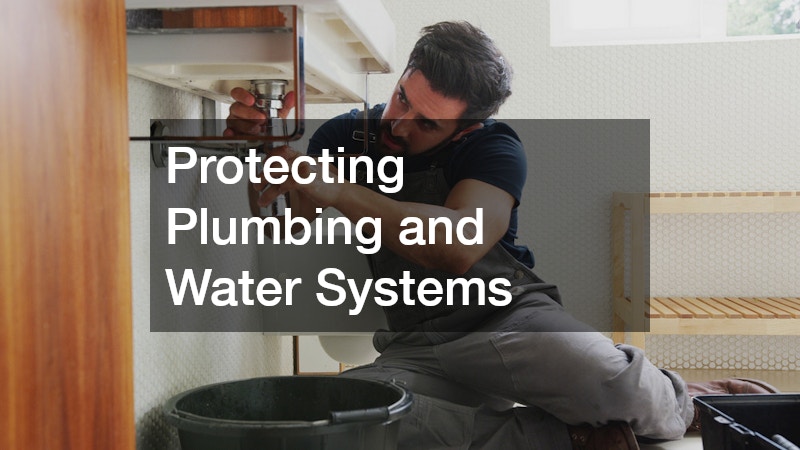
Reliable plumbing and hot water are critical for daily life. Neglecting plumbing maintenance can result in leaks, water damage, and costly emergency repairs. Professional local plumber services, combined with water heater repair, ensure that water systems remain safe and functional while extending the lifespan of key components.
Routine inspections include checking pipes for corrosion or leaks, testing water heaters for pressure consistency, and verifying proper operation of valves and faucets. Sediment buildup in water heaters can reduce efficiency and shorten lifespan, while hidden leaks behind walls or under floors can quietly cause structural damage. Technicians can also evaluate drainage, detect early signs of clogs, and recommend improvements such as pipe insulation, pressure regulation, or system upgrades. Preventative care reduces the risk of basement flooding, foundation issues, or expensive emergency interventions.
Plumbing Maintenance Tips:
- Inspect pipes for leaks, corrosion, or unusual noises.
- Flush water heaters annually to remove sediment buildup.
- Check water pressure and test valves for proper function.
- Prevent frozen pipes in winter by insulating exposed plumbing.
- Schedule professional inspections for wells, pumps, or older systems.
Addressing plumbing and water heating issues proactively prevents damage to walls, floors, and foundations. It also preserves energy efficiency, ensures consistent hot water availability, and supports overall household comfort and long-term property protection.
Enhancing Outdoor Surfaces and Structural Safety
Driveways, patios, and walkways are essential for both aesthetics and safety. Damaged pavers or deteriorating concrete can create tripping hazards, contribute to drainage problems, and reduce curb appeal. Professional paver repairs and contractor services help maintain functional, durable surfaces while addressing underlying structural concerns that may not be immediately visible.
Outdoor inspections by a concrete contractor should include checking for cracks, uneven surfaces, loose or displaced materials, and signs of erosion around edges. Regular sealing of pavers and concrete prevents water penetration, reduces weed growth, and maintains smooth surfaces that are safe for foot and vehicle traffic. Proper grading during installation or repair ensures water runoff is directed away from foundations and landscaping, protecting both the hardscape and nearby plants.
Additional outdoor maintenance considerations include inspecting retaining walls for movement, ensuring proper joint spacing in pavers, and checking that concrete expansion joints remain intact. Regular cleaning of debris, moss, and algae also prevents surface damage and slip hazards.
Outdoor Surface Maintenance Tips:
- Inspect pavers for cracks, gaps, or shifting.
- Seal joints and surfaces to prevent water penetration.
- Repair minor cracks promptly to avoid worsening damage.
- Ensure concrete surfaces are level and free of erosion.
- Coordinate major projects with professional contractors for long-term durability.
Consistent attention protects investments, enhances visual appeal, and ensures outdoor areas remain safe, usable, and enjoyable. Proactive maintenance prevents small problems from escalating into costly, time-consuming repairs.
Foundation Care and Prevention
The foundation is the backbone of a home, supporting every structural element above it. Even minor issues, such as small cracks, water intrusion, or soil movement, can develop into significant structural problems over time, leading to costly repairs, uneven floors, or compromised safety. Engaging local foundation repair services ensures that potential problems are identified early and addressed professionally.
A thorough professional inspection evaluates walls, basements, crawlspaces, and soil grading around the property. Technicians look for subtle signs of stress, including hairline cracks, moisture staining, or shifting soil. Early detection allows homeowners to implement preventative solutions such as foundation reinforcement, waterproofing, proper drainage installation, and soil stabilization. These measures reduce the risk of wall bowing, sagging floors, or long-term settlement that can negatively impact the home’s structural integrity and resale value.
Additional considerations include monitoring for pest intrusion near weakened areas, checking sump pumps for proper operation, and maintaining gutters to divert water from the foundation. Regular maintenance and timely repairs ensure a stable base, protect interior finishes, and preserve the long-term safety and value of the home.
Foundation Maintenance Tips:
- Inspect basements and crawlspaces for cracks or water seepage.
- Ensure proper drainage around the foundation to direct runoff away from the home.
- Schedule professional evaluations when small cracks appear.
- Consider waterproofing or grading solutions to prevent long-term issues.
- Monitor interior walls for bowing, settling, or moisture stains.
Proactive foundation care is a cost-effective way to safeguard the home, prevent serious structural damage, and maintain long-term peace of mind.
Kitchen Appliance Maintenance for Efficiency and Safety

Appliances are integral to daily living, and malfunctioning ovens or kitchen systems can pose hazards. Professional oven repair services help maintain safety, efficiency, and functionality. Regular maintenance ensures reliable performance, prevents fire risks, and reduces the likelihood of sudden breakdowns that can disrupt daily routines. Well-maintained kitchen appliances also contribute to consistent cooking results, energy efficiency, and overall household comfort.
Routine checks should include inspecting heating elements, thermostats, and ventilation systems. Cleaning oven interiors, removing grease buildup, and replacing worn components ensures even heating and prevents strain on electrical circuits or gas lines. Professionals can detect hidden issues, such as faulty wiring, gas leaks, or failing sensors, before they escalate. Including other major appliances like stoves, microwaves, and dishwashers in regular inspections helps maintain optimal performance, reduces energy waste, and prolongs appliance lifespan, protecting both household safety and long-term investment.
Kitchen Maintenance Tips:
- Inspect oven heating elements and thermostats regularly.
- Clean interior components to prevent grease buildup.
- Schedule professional service for unusual performance or uneven heating.
- Include other major appliances in periodic checks to prevent energy waste.
- Replace worn components to extend appliance lifespan.
Maintaining appliances promotes safe usage, enhances efficiency, and safeguards your home investment while supporting a smooth-running household.
Coordinating Seasonal Maintenance for Maximum Protection
Organizing seasonal inspections and maintenance for all systems ensures consistent performance. A structured approach reduces stress, prevents emergency repairs, and extends the life of major components.
Spring may focus on roof inspections, HVAC tune-ups, and plumbing checks, while summer emphasizes outdoor repairs, pool servicing, and AC performance. Fall requires furnace preparation, oven maintenance, and roof readiness for winter. Winter includes heating system checks, water heater inspections, and plumbing freeze prevention. Coordinating services with professionals ensures that nothing is overlooked, systems perform efficiently, and the home remains safe and comfortable year-round.
Seasonal Maintenance Schedule:
- Spring: Roofing inspection, HVAC tune-up, plumbing checks.
- Summer: Outdoor concrete and paver repair, AC servicing, pool maintenance.
- Fall: Furnace inspection, oven and appliance service, roof preparation.
- Winter: Heating system check, water heater efficiency, plumbing freeze protection.
Working with Professionals to Avoid Costly Mistakes
DIY repairs can save money initially, but often lead to bigger issues. Hiring licensed and experienced professionals for roof, foundation, concrete, HVAC, plumbing, and appliance work ensures high-quality outcomes and long-term durability.
Choosing reliable contractors requires verifying credentials, checking references, and requesting warranties. Working with experienced professionals ensures that repairs meet local codes, adhere to safety standards, and are completed efficiently. Proper maintenance and timely repairs avoid cascading damage, reduce long-term expenses, and protect both the home and its occupants. Maintaining a list of trusted service providers enables homeowners to schedule timely interventions without delays.
Tips for Hiring Professionals:
- Verify licenses, insurance, and certifications.
- Review prior work and client testimonials.
- Request warranties or service guarantees.
- Get multiple quotes to compare services and pricing.
- Maintain a list of trusted service providers for ongoing maintenance.
Proactive maintenance and professional services are critical to preserving home comfort, safety, and long-term investment. Addressing structural, mechanical, and environmental systems through timely inspections and repairs reduces emergencies, minimizes costs, and enhances overall efficiency. From indoor heating and plumbing to roofing, outdoor surfaces, and appliances, each element plays a role in maintaining a well-functioning home.
Structured schedules, seasonal checklists, and collaboration with experienced professionals create resilience against wear, weather, and unexpected damage. Preventive measures contribute to energy efficiency, stress reduction, and reliable performance. Moreover, routine attention builds awareness of emerging issues, allowing homeowners to address them proactively rather than reactively.
By implementing these strategies, homes become safer, more efficient, and visually appealing while protecting both family well-being and financial investment. Thoughtful, consistent maintenance ensures that a property remains functional and valuable for years, providing long-term peace of mind and maximizing the return on homeownership.