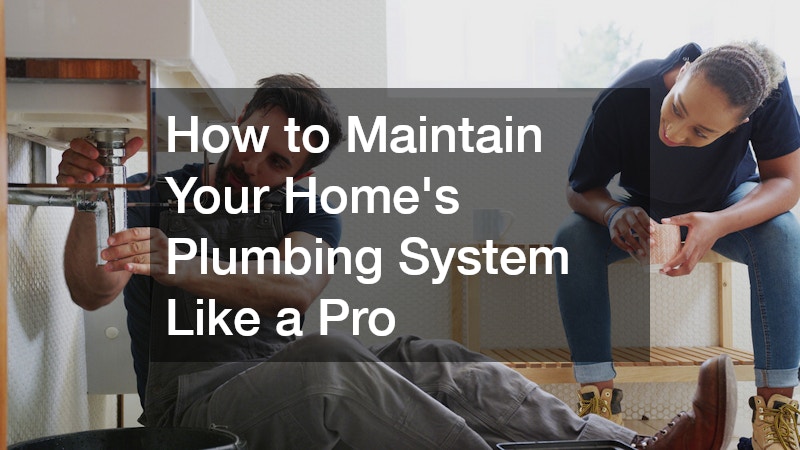
Maintaining a home’s plumbing system may seem daunting, but with the right knowledge and routine care, you can prevent costly emergencies and keep your home running efficiently. Proper plumbing maintenance extends the life of your pipes, fixtures, and appliances while ensuring safety and comfort for your family.
This guide will take you through practical steps that homeowners can take to maintain their plumbing like a professional, covering everything from drains and water heaters to septic systems and when to call for professional help. Whether you are tackling small issues yourself or planning routine inspections with a professional, these tips will help you keep your plumbing in excellent condition.
Inspect and Maintain Drains Regularly
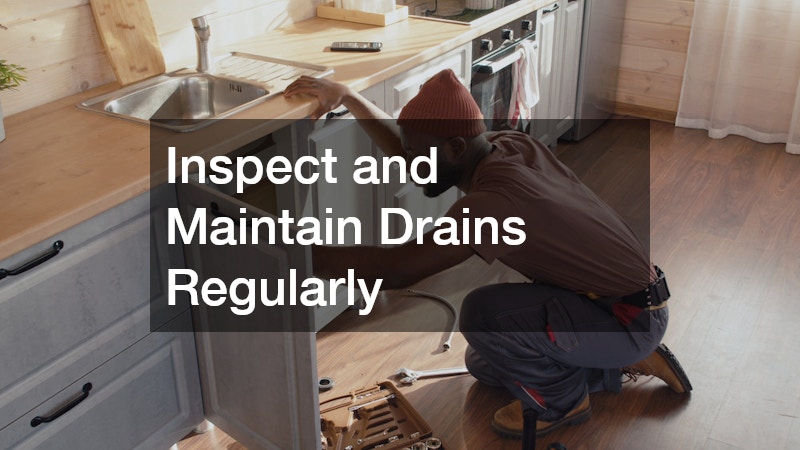
Clogged drains are one of the most common plumbing headaches. Over time, hair, grease, soap residue, and debris can build up inside pipes, slowing drainage and leading to unpleasant odors. Regular attention to your drains can prevent minor issues from turning into major problems.
Taking the time to inspect drains and maintain them can also help you identify weak spots or minor leaks before they escalate. A consistent routine ensures smoother water flow and minimizes the risk of damage to the plumbing system.
Tips for drain maintenance:
- Run hot water through drains weekly to prevent buildup.
- Use strainers in sinks and tubs to catch hair and food particles.
- Avoid pouring grease or oil down the sink.
- Consider occasional natural cleaners like baking soda and vinegar to keep drains clear.
Routine drain cleaning helps maintain flow and prevents damage to pipes. By paying attention to small signs—such as slow draining water or gurgling sounds—you can address issues early and save money on expensive repairs later.
Understand the Value of Professional Support
Even the most diligent homeowners encounter plumbing issues that require professional expertise. Knowing when to call a professional can prevent mistakes that worsen problems, save money, and protect your home’s plumbing system from long-term damage. Building a relationship with a local plumber ensures you have reliable support when emergencies arise, whether it’s a sudden pipe burst, a backed-up drain, or a malfunctioning water heater. Having a dependable professional on speed dial can reduce stress and give you confidence that the job will be handled correctly the first time.
Understanding the types of plumbing issues that require professional attention can save both time and money. While minor leaks, slow drains, or small fixture problems may be manageable for homeowners, more complex issues—like sewer line damage, water heater malfunctions, or widespread pipe corrosion—need expert assessment to prevent further damage. Regular consultations or check-ins with a local plumber can also help identify hidden problems early, provide preventive recommendations, and ensure your home’s plumbing remains efficient, safe, and reliable over time.
Tips for selecting a local plumber:
- Check online reviews and ratings.
- Verify licensing and insurance.
- Ask for referrals from friends, family, or neighbors.
- Request estimates for major work before committing.
A local plumber can handle everything from minor repairs to emergency issues, helping you maintain peace of mind and protect your home. Knowing the difference between a simple DIY fix and a problem that requires professional attention is key to effective plumbing maintenance.
Keep Drain Lines Clear and Functional
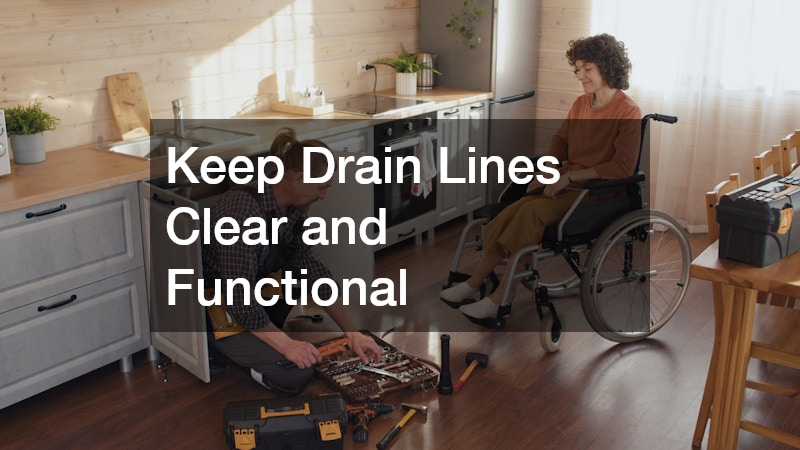
Drain line issues can develop quietly and lead to significant damage if not addressed. Unlike surface clogs, drain line blockages may occur deeper in the system, making them harder to detect. Preventive maintenance ensures your lines remain clear and functional.
Regular inspections and early intervention can help homeowners avoid costly plumbing disasters. Monitoring your drain lines and understanding how to care for them can prolong their lifespan and ensure proper function throughout your home.
Effective drain line maintenance tips:
- Schedule periodic flushing of main lines.
- Avoid disposing of fibrous foods, coffee grounds, or grease down drains.
- Inspect outdoor lines for tree root intrusion or physical damage.
Regular drain line cleaning prevents backups, reduces stress on your plumbing, and keeps water flowing efficiently throughout your home. Proactively addressing these lines helps avoid costly, time-consuming repairs.
Schedule Routine Plumbing Checkups
Even if your plumbing appears to be functioning normally, issues can exist behind the scenes. Small leaks, corrosion, or pressure irregularities often go unnoticed until they escalate into costly repairs or water damage. Hidden problems in pipes, joints, or fixtures can compromise water quality, reduce efficiency, and even lead to mold growth if left unchecked. Scheduling routine inspections with a qualified professional helps uncover these subtle issues early, ensuring that minor concerns don’t develop into major emergencies that disrupt daily life.
Routine checkups allow homeowners to address minor issues before they become expensive and time-consuming repairs. During inspections, professionals can identify signs of wear, sediment buildup in water heaters, weak spots in drain lines, or early corrosion in plumbing connections. These visits also provide the opportunity to optimize your plumbing system for peak performance, recommend preventive maintenance, and extend the lifespan of critical components, keeping your home safe, efficient, and well-maintained over the long term.
What to look for during inspections:
- Signs of leaks under sinks or around fixtures.
- Corrosion or rust on pipes.
- Low water pressure or inconsistent flow.
- Water discoloration or foul odors.
Using professional plumbing services ensures thorough inspections and early identification of potential problems. These checkups can prevent emergencies and extend the life of your plumbing system.
Maintain Your Septic System Properly
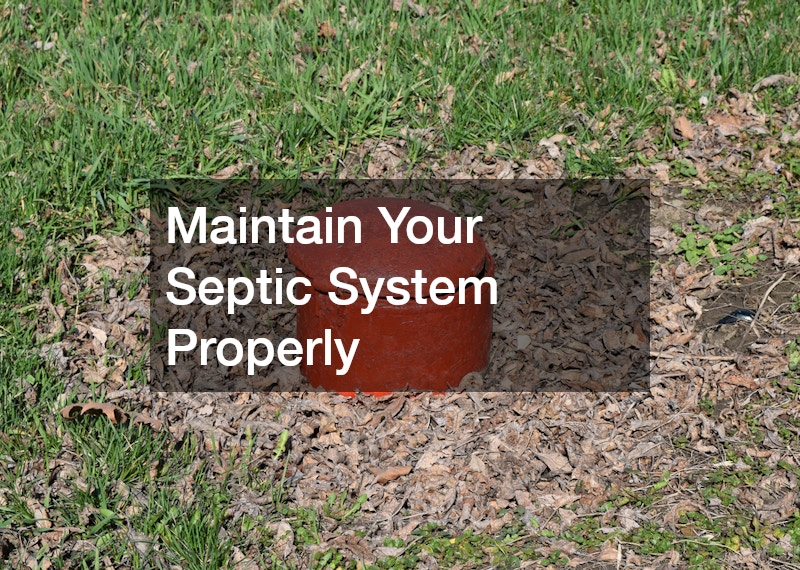
For homes with a septic system, proper care is critical. Neglecting septic maintenance can result in blockages, odors, and even environmental hazards. Regular attention keeps the system working efficiently and reduces costly repairs.
Understanding how your septic system functions is important for preventing issues. Proper maintenance ensures the safe treatment and disposal of wastewater, protecting both your home and the surrounding environment.
Septic system tips:
- Know the size and capacity of your tank.
- Avoid flushing non-biodegradable items or excessive grease.
- Monitor for slow drains or unusual odors.
Scheduling septic pumping at recommended intervals is essential to maintain system efficiency. Regular maintenance helps prevent backups and keeps your plumbing system running smoothly year-round.
Choose the Right Plumbing Contractor for Major Repairs
Certain plumbing projects, such as extensive pipe replacements, major renovations, or installing new water heaters, require the expertise of a licensed plumbing contractor. These projects often involve complex systems, precise measurements, and strict adherence to local building codes. Choosing the right contractor ensures the work is performed safely, efficiently, and correctly the first time, minimizing the risk of damage or future repairs. A qualified contractor also has access to professional-grade tools and materials that homeowners typically do not, which can make a significant difference in the quality and longevity of the work.
Understanding the full scope of the project and anticipating potential challenges helps homeowners make informed decisions and set realistic expectations. The right plumbing contractor can provide expert guidance on planning, timing, and budgeting, as well as offer advice on the best materials and installation methods for your home. By selecting a licensed, experienced professional, you reduce the likelihood of mistakes that could lead to costly repairs, water damage, or code violations, ensuring that your major plumbing projects are completed smoothly and effectively.
Tips for hiring a plumbing contractor:
- Verify licenses, insurance, and certifications.
- Ask for references from previous clients.
- Request detailed estimates and timelines.
- Ensure clear communication regarding project scope and responsibilities.
Working with a qualified plumbing contractor ensures high-quality work and prevents mistakes that could compromise your home’s plumbing system. Selecting the right professional is a critical part of long-term maintenance and repair planning.
Keep Your Water Heater Running Efficiently
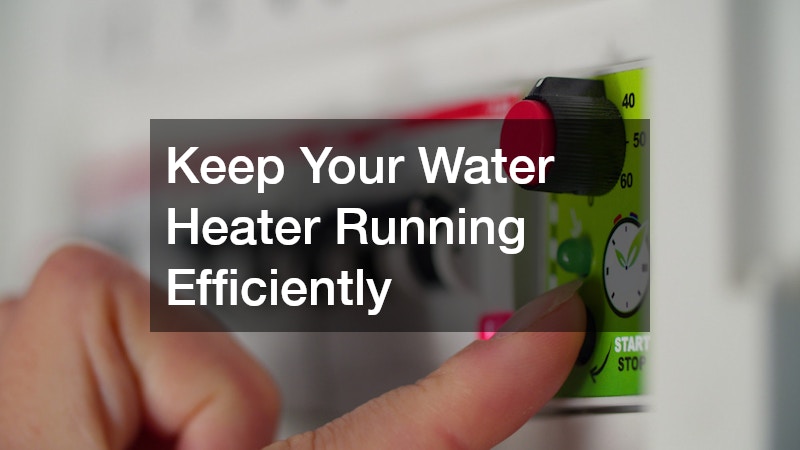
A malfunctioning water heater can disrupt daily routines and increase energy costs. Routine care and maintenance help prevent these problems and extend the life of your unit. Understanding basic water heater repair can save homeowners time and money.
Small issues, such as sediment buildup or faulty valves, can reduce efficiency and lead to higher energy bills. Regular inspections allow you to catch these problems early and maintain consistent water temperature.
Water heater maintenance tips:
- Inspect the unit for leaks or rust.
- Check the pressure relief valve for proper function.
- Flush the tank periodically to remove sediment buildup.
- Adjust the thermostat to prevent overheating and improve efficiency.
Prompt water heater repair when issues arise ensures your system remains reliable and prevents minor problems from escalating. A well-maintained water heater delivers consistent performance and helps reduce energy consumption.
Optimize Your Tankless Water Heater
Tankless water heaters offer the advantage of energy efficiency and a continuous supply of hot water, making them a popular choice for modern homes. However, these systems have unique maintenance needs compared to traditional tank-style heaters. Mineral buildup, sediment accumulation, and scale can reduce efficiency and even cause damage if not addressed regularly. Routine attention ensures the unit operates at peak performance, delivering reliable hot water while avoiding costly repairs or unexpected breakdowns. Regular maintenance also helps preserve the system’s warranty and keeps energy costs low over time.
Proper care includes monitoring the system’s performance, such as checking water temperature, pressure, and flow rate, and addressing minor issues before they escalate. Cleaning filters, descaling the unit, and ensuring proper venting are key preventive measures that homeowners or professionals should perform according to the manufacturer’s recommendations. This proactive approach not only maximizes the unit’s lifespan but also maintains its energy-saving benefits, reduces wear on components, and helps prevent inconvenient service interruptions in the home.
Tankless water heater care tips:
- Flush the system periodically to remove mineral buildup.
- Inspect filters and screens for debris accumulation.
- Monitor water temperature and pressure settings.
- Schedule professional maintenance annually to ensure peak performance.
By following these maintenance steps, homeowners can enjoy the benefits of a tankless water heater while avoiding unnecessary disruptions or repairs. Proper care enhances efficiency, reliability, and the longevity of the system.
Work With a Reputable Plumbing Business
Establishing a relationship with a reputable plumbing business is essential for comprehensive home maintenance. A professional plumbing business offers a range of services, from routine inspections to emergency repairs, providing peace of mind.
A reputable plumbing business can also help homeowners develop long-term maintenance plans and recommend solutions tailored to their home. Having a reliable contact makes handling emergencies easier and less stressful.
Selecting a plumbing business:
- Research multiple companies in your area.
- Verify licenses, insurance, and service offerings.
- Check customer reviews and ask for references.
- Keep contact information handy for emergencies.
Working with a reliable plumbing business ensures access to experienced professionals who can address any issue quickly and efficiently, helping maintain the long-term health of your home’s plumbing system.
Schedule Regular Water Heater Service
Regular water heater service is essential for preventing unexpected breakdowns, maintaining consistent hot water supply, and ensuring the system operates at peak efficiency. Many components inside a water heater, such as pressure relief valves, heating elements, and internal tanks, require professional inspection and care that most homeowners cannot safely perform on their own. Routine service helps identify corrosion, leaks, or sediment buildup early, which can otherwise reduce efficiency, shorten the unit’s lifespan, or even cause serious safety hazards. By scheduling regular professional service, homeowners can maintain reliable performance and avoid costly emergency repairs.
Understanding the importance of preventive maintenance allows homeowners to plan ahead and prevent inconvenient interruptions, such as cold showers or sudden loss of hot water. A small investment in routine water heater service can save significant money over time by reducing energy costs, extending the life of the system, and minimizing the likelihood of emergency replacements. Regular checkups also provide an opportunity for professionals to offer advice on optimizing settings, replacing worn parts, and maintaining the unit according to manufacturer guidelines, ensuring long-term reliability and safety for the household.
Water heater service tasks:
- Inspect and replace worn or faulty parts.
- Flush the tank to remove sediment.
- Test the pressure relief valve.
- Examine connections and fittings for leaks or corrosion.
Scheduling routine water heater service maintains peak efficiency, reduces energy costs, and prevents sudden failures. By keeping up with professional service, homeowners can avoid inconvenience and ensure a consistent hot water supply.
Maintaining your home’s plumbing system requires a combination of preventive care, routine inspections, and professional support. By regularly attending to drains, water heaters, septic systems, and other critical components, you can prevent emergencies, reduce repair costs, and keep your home running efficiently.
Incorporating these tips into a regular maintenance routine ensures your plumbing system operates like a professional setup. With a balance of DIY care and professional guidance, homeowners can enjoy reliable, safe, and long-lasting plumbing for years to come.