A home should be more than just a place to sleep and eat—it should be a space that nurtures your well-being, supports your daily routines, and adapts to your lifestyle. Comfort and functionality go hand in hand; a home can be beautiful, but if it is cluttered, poorly organized, or inefficient, it will never feel fully satisfying. By thoughtfully addressing organization, lighting, air quality, interior design, and outdoor spaces, you can transform your house into a sanctuary where daily tasks are easier, relaxation is effortless, and every space serves a purpose.
Enhancing your home doesn’t always require large-scale renovations. Small, strategic adjustments, paired with professional guidance when needed, can yield dramatic improvements in livability. From maximizing small areas to creating inviting outdoor zones, the following guide explores actionable strategies to make your home both more comfortable and functional.
How Can I Maximize Space In A Small Home
Understanding Vertical Storage Solutions
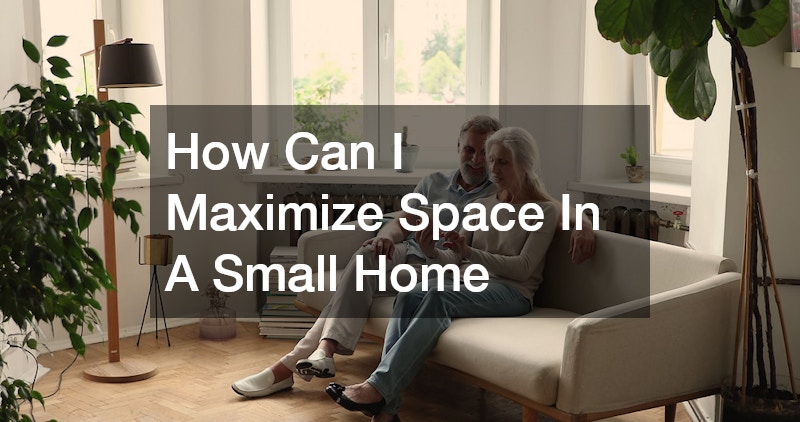
When square footage is limited, vertical storage is one of the most effective ways to expand usable space. Tall cabinets, wall-mounted shelves, and hooks make use of areas that often go unnoticed, like walls near doorways or above workstations. For items you don’t need daily access to, a barn style shed can store seasonal tools, holiday décor, or garden equipment, freeing up indoor areas and keeping living spaces uncluttered. Using vertical storage not only maximizes space but also maintains an open, airy feel throughout the home.
Utilizing Multifunctional Furniture
Multifunctional furniture is essential in smaller homes. A sofa that converts to a bed, an ottoman that doubles as storage, or a foldable dining table can save valuable floor space while maintaining style. Investing in versatile pieces allows your home to adapt to changing needs, whether you are entertaining guests, working from home, or simply seeking more open space for everyday activities.
Implementing Open Shelving
Open shelving creates the illusion of space while keeping items accessible. When combined with modular home parts, shelving can be customized to fit unusual wall spaces, corners, or niches, adding functionality without visual clutter. Open shelves are ideal for frequently used items like cookbooks, kitchenware, or decorative pieces, ensuring that everything has a designated place.
Choosing The Right Color Palette To Open Up Space
Color can dramatically affect the perception of space. Lighter hues like soft neutrals, pastels, and muted tones reflect light and make rooms feel larger. Pairing these colors with contrasting accents creates depth without overwhelming the senses. Even small touches, like a painted cabinet door or accent wall, can make a room feel open and inviting.
Integrating Mirrors To Create An Illusion Of Spaciousness
Mirrors reflect both natural and artificial light, instantly expanding the perception of a room. Strategically placing mirrors across from windows or near key design features amplifies brightness and adds dimension. Large statement mirrors in living rooms, bedrooms, or entryways are both functional and visually appealing, helping to create a more open and welcoming home environment.
What Are The Best Ways To Improve Air Quality At Home
Importance Of Proper Ventilation
Proper ventilation is critical for maintaining comfort and health. Stale air can increase humidity and exacerbate allergens, making spaces uncomfortable. Ensuring that your home has adequate airflow—through windows, exhaust fans, and well-maintained HVAC services—reduces pollutants, keeps moisture under control, and supports a healthier environment.
Using Air Purifiers Effectively
Air purifiers can make a noticeable difference in indoor air quality, especially in bedrooms and living areas where family members spend most of their time. Units with HEPA filters capture dust, pollen, and pet dander, while activated carbon filters reduce odors. Placing purifiers in high-use areas and pairing them with good ventilation creates a consistently clean indoor environment.
Incorporating Indoor Plants For Natural Filtration
Certain plants, such as snake plants, spider plants, and peace lilies, naturally filter airborne toxins while increasing oxygen levels. Indoor greenery not only improves air quality but also enhances visual appeal, creating a relaxing and comfortable atmosphere. Arranging plants near windows or common areas brings life into the home and supports mental well-being.
Choosing Low-VOC Paint And Materials
Using low-VOC paints, adhesives, and furniture finishes reduces exposure to harmful chemicals that can affect indoor air quality. Hiring professional painters familiar with eco-friendly materials ensures that surfaces are treated safely and look polished. These choices are particularly important in bedrooms, nurseries, and other spaces where prolonged exposure occurs.
Regular Cleaning And Dust Management
Even with ventilation and filtration systems, routine cleaning is essential. Dusting, vacuuming, and laundering soft furnishings reduce allergens and create a fresher, more comfortable home environment. Using microfiber cloths and HEPA-filter vacuums captures fine particles and maintains long-term air quality.
How Can I Create A Cozy Living Room
Selecting Comfortable Seating Arrangements
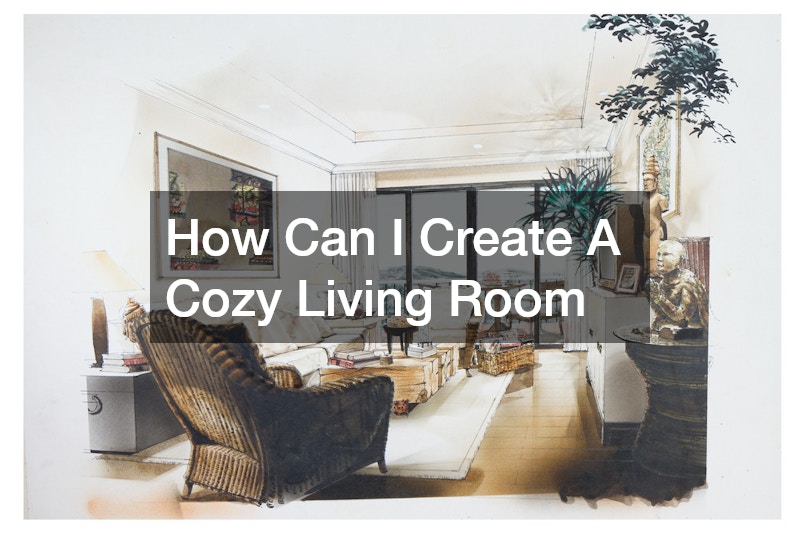
The living room is often the heart of a home, and comfort is key. Sectionals, lounge chairs, and sofas should be arranged to encourage conversation and relaxation while leaving open pathways. Grouping seating around a focal point, such as a fireplace or entertainment center, creates a welcoming environment for family and guests.
Utilizing Soft Textiles And Throws
Rugs, pillows, and throws add warmth, texture, and tactile comfort. Layering textiles enhances coziness and allows seasonal adjustments. Natural materials like cotton, wool, and faux fur add both style and comfort while supporting durability.
Enhancing Lighting Layers For Warmth
Layered lighting, combining ambient, task, and accent lights, allows you to adjust brightness for different activities. Floor lamps, pendant lights, and dimmers can set the mood while ensuring functionality for reading, work, or socializing.
Incorporating Personal And Meaningful Decor
Adding personal touches like family photos, artwork, or keepsakes makes a living room feel lived-in and emotionally comforting. Thoughtful decoration enhances the sense of belonging and makes spaces more inviting.
Arranging Furniture For Optimal Conversation Flow
Strategic furniture placement ensures smooth traffic flow and promotes interaction. Avoid overcrowding or blocking natural pathways, maintaining a balance between accessibility and intimacy.
What Should I Consider When Organizing A Home Office

Maximizing Ergonomic Office Setup
A functional home office requires proper ergonomics to prevent strain and maintain productivity. Adjustable chairs, desks, and monitor positions support posture, making long hours at work more comfortable.
Choosing Functional And Stylish Storage Solutions
Storage keeps workspaces efficient and clutter-free. Using modular home parts like adjustable shelving and cubbies allows for flexible organization that can evolve with changing needs.
Creating A Productive And Personalized Workspace
Adding inspirational décor, plants, or organizational tools creates a workspace that is both functional and motivating. Personal touches encourage consistent use and increase efficiency.
The Importance Of Natural Light And Its Positioning
Positioning desks near windows maximizes exposure to natural light, which improves mood and reduces eye strain. Use shades or blinds to control glare while keeping the workspace comfortable.
Incorporating Tech Essentials For Efficiency
Ensuring easy access to chargers, printers, and other devices keeps workflows smooth. Organized cable management supports a tidy, distraction-free environment.
How Do I Choose The Right Lighting For My Home
Understanding Different Types Of Lighting Fixtures
Selecting appropriate fixtures impacts both style and function. Chandeliers, recessed lights, and sconces each provide unique benefits. Coordinating fixtures across rooms enhances cohesion and usability.
Selecting The Appropriate Color Temperature
Warm light promotes relaxation, while cooler tones enhance focus. Choosing suitable color temperatures for different areas ensures both comfort and productivity.
Creating Ambiance With Lighting Layers
Layering ambient, task, and accent lighting provides versatility. Multiple light sources allow rooms to adapt to varying activities, from reading to entertaining.
Highlighting Key Architectural Features
Lighting can emphasize design details like crown molding, textured walls, or shelving. Proper placement draws attention to architectural elements while enhancing functionality.
Considering Energy-Efficient Lighting Options
LEDs and energy-efficient fixtures reduce costs and environmental impact. Dimmable and programmable lighting solutions offer comfort without sacrificing energy efficiency.
Maintaining Outdoor Safety And Trees
Addressing Hazardous Trees
Trees add beauty and shade but can become safety hazards if neglected. Engaging local emergency tree removals ensures that unstable or damaged trees are safely removed or pruned, protecting both people and property while maintaining an appealing outdoor environment.
What Are Effective Ways To Reduce Noise In A Home

Soundproofing Walls And Ceilings
Adding insulation, acoustic panels, or double-layer drywall reduces unwanted noise, creating a more peaceful indoor environment.
Choosing Appropriate Flooring Materials To Minimize Noise
Carpet, cork, or layered underlayment under hard surfaces minimizes impact noise. These materials contribute to a quieter, more comfortable home.
Using Area Rugs And Curtains For Sound Absorption
Rugs and heavy curtains absorb sound, improving acoustics and enhancing comfort.
Installing Doors And Windows With Noise-Reducing Features
Soundproof doors and double-glazed windows block external noise, supporting tranquility and energy efficiency.
Landscaping For Natural Noise Reduction
Planting hedges, trees, and fences can block noise while enhancing privacy. Collaborating with professional fence installers ensures these barriers are both effective and visually appealing.
Ensuring Roof Longevity And Protection
Regular Inspections And Maintenance
A secure roof is crucial for home comfort and efficiency. Consulting local roofing specialists for routine inspections, cleaning, and repairs prevents leaks and costly damage, supporting a well-maintained and energy-efficient home.
Roof Maintenance And Professional Repairs
Hiring Trusted Roofing Companies
Professional roofing companies provide expert repairs, replacements, and maintenance. Their experience ensures the job is done safely, efficiently, and to high standards, protecting the interior of your home and maintaining overall comfort.
How Can I Make My Kitchen More Functional
Optimizing Kitchen Layout And Workflow
Positioning the sink, stove, and refrigerator efficiently minimizes movement during meal prep. A well-planned layout improves workflow and reduces stress in busy kitchens.
Utilizing Smart Storage Solutions
Cabinets, pull-out shelves, and pantry organizers keep essentials accessible. Customizing storage using modular home parts maximizes space while maintaining order.
Incorporating Versatile Kitchen Appliances
Multi-purpose appliances reduce clutter and streamline tasks. Consider combination ovens, smart refrigerators, or multifunction blenders to enhance functionality.
Choosing Durable And Easy-To-Clean Surfaces
Countertops, backsplashes, and floors should combine practicality with style. Quartz, stainless steel, and ceramic surfaces are durable, low-maintenance, and visually appealing.
Efficient Lighting Solutions For Kitchen Tasks
Task lighting ensures visibility and safety. Under-cabinet lights and adjustable overhead fixtures enhance usability while maintaining a bright and inviting space.
Designing A Relaxing Bedroom
Selecting A Calming Color Palette
Soft, muted colors promote rest and relaxation. Blue, green, or neutral shades create a peaceful environment conducive to sleep.
Choosing The Right Mattress And Bedding
A supportive mattress and quality bedding improve comfort and sleep quality. Layered pillows and blankets allow customization for personal preference.
Minimizing Distractions With Strategic Furniture Placement
Thoughtful furniture arrangement keeps pathways open and reduces visual clutter. Avoid placing electronics near the bed to maintain a calm environment.
Achieving The Ideal Lighting Balance For Sleep
Blackout curtains, soft lamps, and adjustable lighting support natural sleep cycles while ensuring convenience and comfort.
Incorporating Scents And Sounds For Relaxation
Essential oils, aromatherapy, or gentle white noise contribute to a restful atmosphere, enhancing relaxation and overall comfort.
Creating An Inviting Outdoor Space
Incorporating Pools And Water Features
Adding a pool or water feature can dramatically enhance both the functionality and enjoyment of your outdoor space. Working with a professional pool company ensures that your installation is safe, efficient, and tailored to your yard’s layout. Pools provide recreation, relaxation, and even exercise opportunities, while well-designed water features add ambiance and a soothing atmosphere to patios or garden areas. Planning proper placement, safety measures, and maintenance routines ensures that your pool becomes a long-term source of enjoyment for the whole family.
Understanding Layout And Functionality
Designate zones for lounging, dining, and recreation. A well-planned layout improves usability and creates a visually balanced space.
Using Weather-Resistant Furniture And Decor
Furniture made from metal, teak, or synthetic wicker withstands the elements while remaining comfortable. Water-resistant cushions simplify maintenance.
Enhancing Ambiance With Outdoor Lighting
Pathway lights, lanterns, and string lighting extend usability into the evening. Proper illumination improves safety while creating a warm, inviting atmosphere.
Incorporating Greenery And Garden Elements
Native plants, shrubs, and flowers add beauty and texture. Landscaping enhances functionality while requiring minimal maintenance.
Planning For Privacy And Seclusion
Privacy fences, trellises, and hedges create secluded areas. A professional paving contractor can design functional walkways and patios that complement landscaping while increasing accessibility.
Managing Clutter Effectively
Establishing A Regular Decluttering Routine
Frequent decluttering prevents accumulation and maintains order. Setting aside time weekly or monthly helps sustain organized, functional spaces.
Implementing Smart Storage Solutions
Closets, shelving, and bins maximize space. Using a barn-style shed for seasonal or bulky items keeps indoor areas clear and usable.
Categorizing And Labeling Belongings For Easy Access
Organize items by type, frequency of use, or room. Labels and color-coding simplify retrieval and reduce stress.
Utilizing Digital Tools To Minimize Paper Clutter
Scanning documents and using cloud storage reduces physical clutter, making the home more organized and functional.
Encouraging A Minimalist Mindset Culture
Prioritize items that serve a purpose or bring joy. A minimalist approach fosters calm, reduces clutter, and enhances comfort.
Transforming a home into a space that is both comfortable and functional requires careful planning, organization, and attention to both indoor and outdoor environments. By addressing air quality, lighting, space optimization, and outdoor usability, homeowners can create a home that supports well-being and efficiency. Incorporating professional guidance, thoughtful upgrades, and maintenance ensures long-term results while improving everyday life. Every room, from kitchens and living areas to bedrooms and outdoor spaces, can become more inviting, practical, and tailored to your lifestyle. A well-designed home not only enhances comfort but also maximizes functionality, allowing each space to serve its intended purpose with ease and enjoyment.